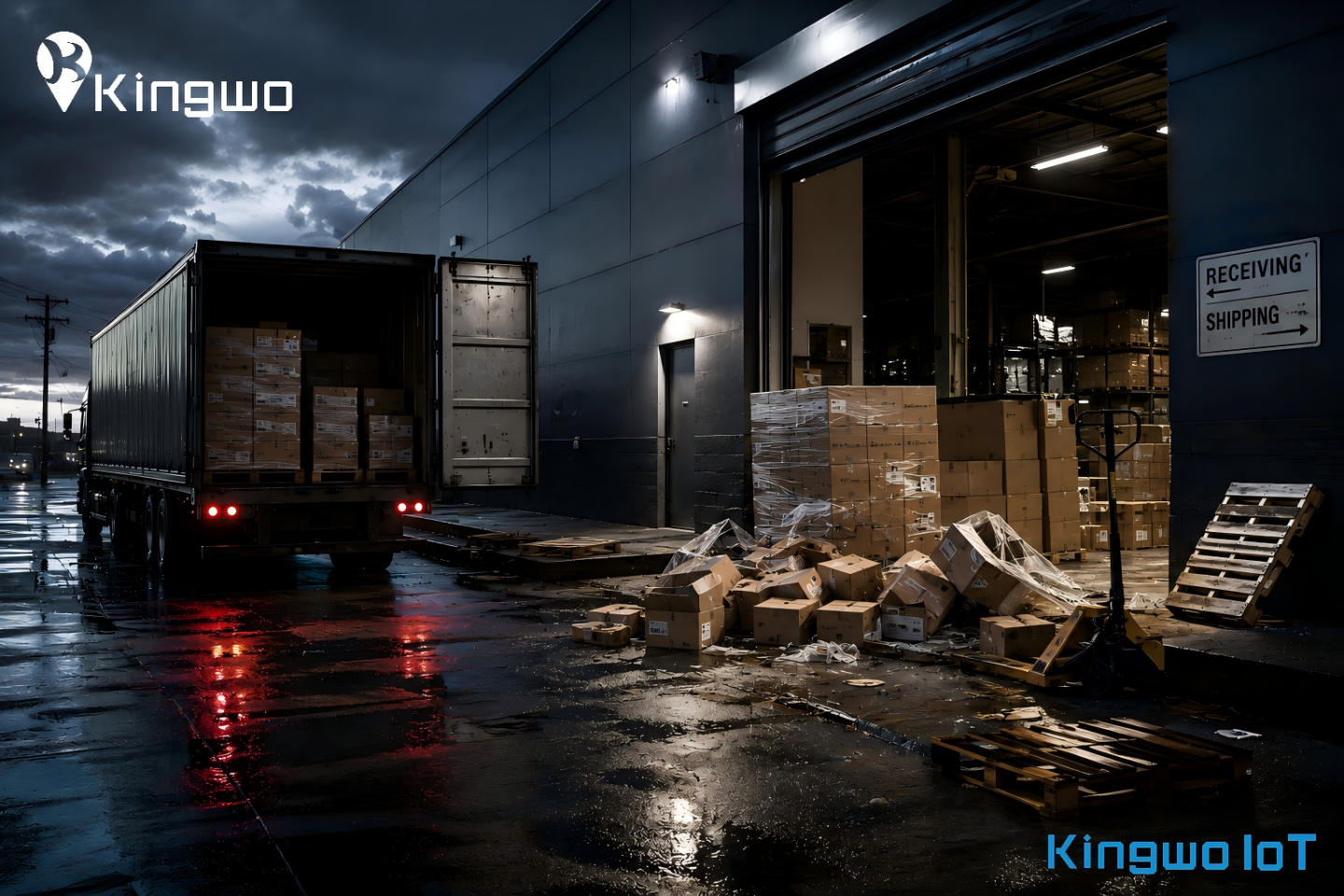

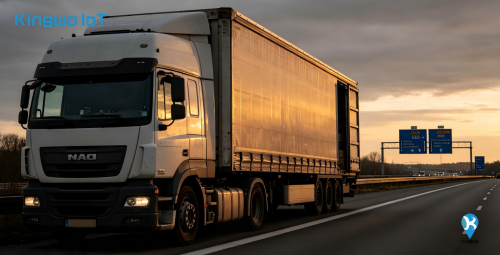
The recent theft of approximately $500,000 worth of premium bourbon from a warehouse in Philadelphia serves as a reminder that cargo theft is evolving far beyond traditional warehouse break-ins and vehicle hijackings. According to reports, around 10,800 bottles of Noble Oak Bourbon, totalling 1,800 cases, were removed from an American Supply warehouse during a coordinated cargo theft operation. What makes this incident particularly alarming is that the perpetrators did not force entry into the facility or use violence. Instead, they allegedly posed as a legitimate transportation provider and convinced warehouse staff to load the products directly onto their truck in broad daylight.
The incident demonstrates a significant shift in the way organized cargo crime is being carried out. Historically, cargo theft was often associated with stolen trucks, damaged locks, or unauthorized access to storage facilities. Today, criminals are increasingly relying on deception, forged documentation, fake carrier identities, and insider knowledge of logistics operations. In many cases, shipments can disappear without triggering immediate suspicion because every step appears legitimate until the fraud is discovered.
By the time a company realizes something is wrong, the cargo may already be hundreds of miles away or redistributed through unauthorized channels.
For logistics operators, manufacturers, and distributors, the challenge is no longer limited to protecting physical assets. The real challenge lies in maintaining visibility throughout the entire transportation process. Businesses may know when a shipment leaves a warehouse and when it is expected to arrive at its destination, but often lack real-time insight into what happens in between.
This gap in visibility creates opportunities for theft, shipment diversion, fraud, and operational disruptions that can significantly impact both profitability and customer trust.
Premium alcohol products are particularly attractive targets due to their high value and strong demand in secondary markets. However, the risks extend far beyond the beverage industry. Pharmaceuticals, medical devices, consumer electronics, automotive components, luxury goods, and industrial equipment all face similar threats.
As supply chains become increasingly globalized, cargo often passes through multiple warehouses, carriers, distribution centers, and transportation partners. Each transfer point creates another potential vulnerability that can be exploited if visibility is limited.
The importance of cargo visibility has already been recognized by many leading manufacturers around the world. In China, major producers of premium consumer goods, including well-known liquor manufacturers, have adopted digital logistics management systems and IoT-based tracking technologies to improve transportation security and product traceability.
These solutions provide continuous monitoring of cargo movement, transportation routes, shipment status, and abnormal events, helping companies identify potential risks before they become costly incidents.
The goal is no longer simply recovering stolen goods.
The goal is to prevent losses before they occur.
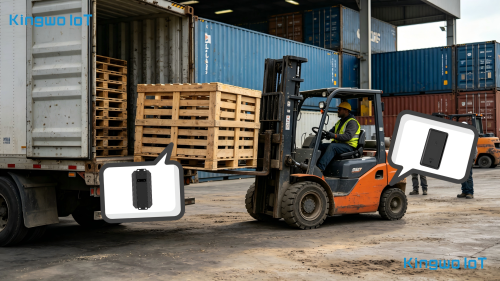
Modern IoT tracking technologies provide organizations with greater visibility over vehicles, trailers, containers, and high-value shipments. By monitoring assets in real time, businesses can identify route deviations, unauthorized stops, unexpected movement patterns, and other warning signs that may indicate elevated risk.
As criminal tactics become more sophisticated, organizations need tools that allow them to respond quickly and make informed decisions based on accurate operational data.
The Philadelphia bourbon theft demonstrates a growing challenge facing today's logistics industry. In many cases, cargo is not lost because of inadequate warehouse security or insufficient transportation resources. Instead, losses occur when businesses lack real-time visibility into the movement and status of their assets.
As supply chains become increasingly complex, organizations need more than periodic updates and manual verification processes. They need continuous awareness of where assets are, how they are moving, and whether transportation activities are occurring as planned.
At Kingwo IoT, we believe that visibility is the foundation of supply chain security. Real-time GPS tracking, intelligent alerts, geofencing, route monitoring, and centralized asset management platforms provide businesses with the operational insight needed to identify risks earlier and respond faster when abnormal events occur.
Our experience working with asset-intensive industries has shown that the most effective security strategy is not simply recovering stolen assets after an incident. The real value lies in creating a transparent logistics process that helps prevent losses before they happen.
Whether transporting premium beverages, pharmaceuticals, electronics, automotive components, or other high-value cargo, organizations are increasingly recognizing that visibility is no longer optional. It is becoming an essential requirement for building resilient, secure, and efficient supply chains.
As cargo theft methods continue to evolve, businesses that invest in real-time asset visibility will be better positioned to protect their operations, improve customer confidence, and strengthen long-term supply chain performance.
 news
news
 news
news
 news
news
 news
news
 news
news
 news
news
 news
news
 news
news
 news
news

English

French

Portuguese

Spanish