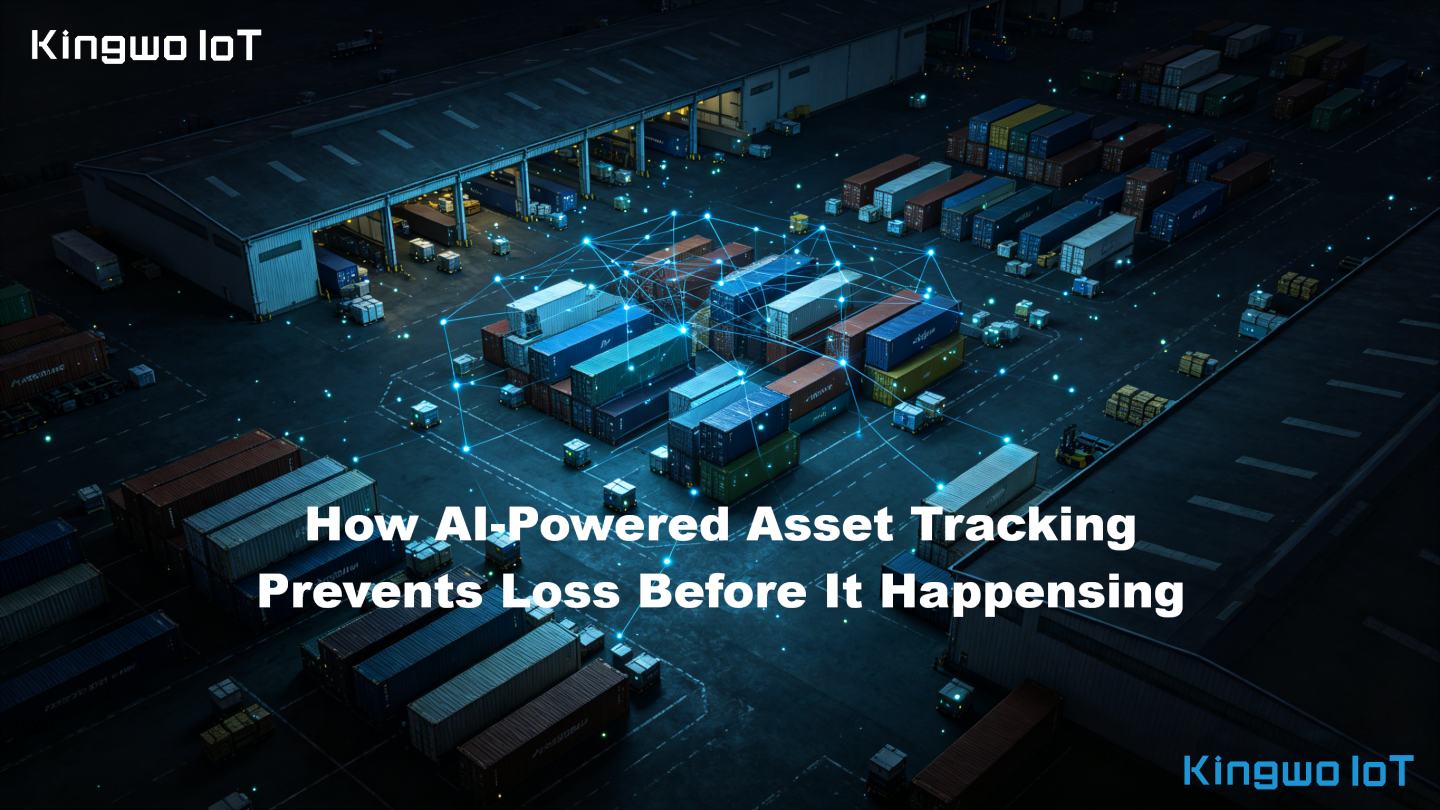

NEW YORK / LONDON / SINGAPORE – As supply chains become increasingly distributed and high-value assets move across multiple jurisdictions, businesses are redefining how they approach asset protection. That is why asset tracking has become one of the most important topics in the global supply chain. With modern asset tracking solutions, the focus is no longer limited to recovering stolen equipment but is shifting toward preventing loss before it occurs.
Industry observations suggest that asset loss — ranging from construction tools and logistics containers to medical devices — remains one of the largest sources of unplanned operational cost for organizations managing distributed inventories. In response, a new generation of intelligent tracking solutions is reshaping how security is defined and implemented.
Traditional tracking systems primarily rely on location visibility, requiring users to identify a loss event before taking action. In contrast, modern solutions incorporate behaviour-based analytics and anomaly detection models to identify risk patterns in real time.
For example, if a tracked asset leaves a predefined geofenced area outside of authorized time windows, the system can trigger alerts automatically — before the loss escalates.
More advanced deployments are now combining multiple capabilities:
This shift marks a transition from passive tracking toward active risk management.
Organizations that have implemented intelligent asset tracking systems are reporting measurable operational improvements, particularly in loss prevention and efficiency.
In multi-site deployments, recovery rates for tracked assets approach full retrieval in most cases. More importantly, the category of “minor losses” — often the largest contributor to unrecovered cost — has been significantly reduced, in some cases by more than half.
Operational delays have also been mitigated. A large proportion of businesses previously experienced downtime while locating misplaced or stolen equipment. With continuous visibility and automated alerts, this delay is substantially reduced, enabling faster decision-making and improved asset utilization.
As tracking technologies expand across regions, regulatory compliance has become an integral consideration. Frameworks such as the European Union’s General Data Protection Regulation (GDPR) are shaping how tracking systems are designed and deployed.
Modern asset tracking platforms increasingly emphasize:
This ensures that enhanced visibility does not come at the expense of privacy or regulatory risk.
Industry analysts indicate that intelligent asset tracking is rapidly evolving from a specialized security tool into a standard component of operational infrastructure.
The global GPS tracking device market is projected to reach approximately USD 16 billion over the next decade, driven by demand across logistics, construction, healthcare, and equipment rental sectors.
“Visibility is no longer a competitive advantage — it is an operational baseline,” noted a supply chain technology analyst. “The real differentiator lies in how effectively that visibility is translated into actionable intelligence at scale.”
This evolution reflects a broader shift in enterprise thinking. Asset management is no longer viewed as a reactive function tied to loss events, but as a proactive system embedded within operational strategy.
By reducing uncertainty around asset location, status, and movement, organizations are not only protecting equipment but also improving workflow continuity, strengthening customer commitments, and enhancing overall operational resilience.
From Kingwo’s perspective, the industry is entering a phase where tracking alone is no longer sufficient. The real value lies in transforming raw location data into operational intelligence that can guide decisions in real time.
In practical deployments, this means integrating multiple layers of capability:
For global businesses managing mobile assets, the question is no longer whether assets can be tracked, but whether their behaviour can be understood, predicted, and optimized.
As asset tracking continues to evolve, companies that can bridge the gap between visibility and intelligence will be better positioned to reduce risk, improve efficiency, and scale operations with confidence.
By Kailiang Tang
Acting Marketing Director, Kingwo IoT
 news
news
 news
news
 news
news
 news
news
 news
news
 news
news
 news
news
 news
news

English

French

Portuguese

Spanish