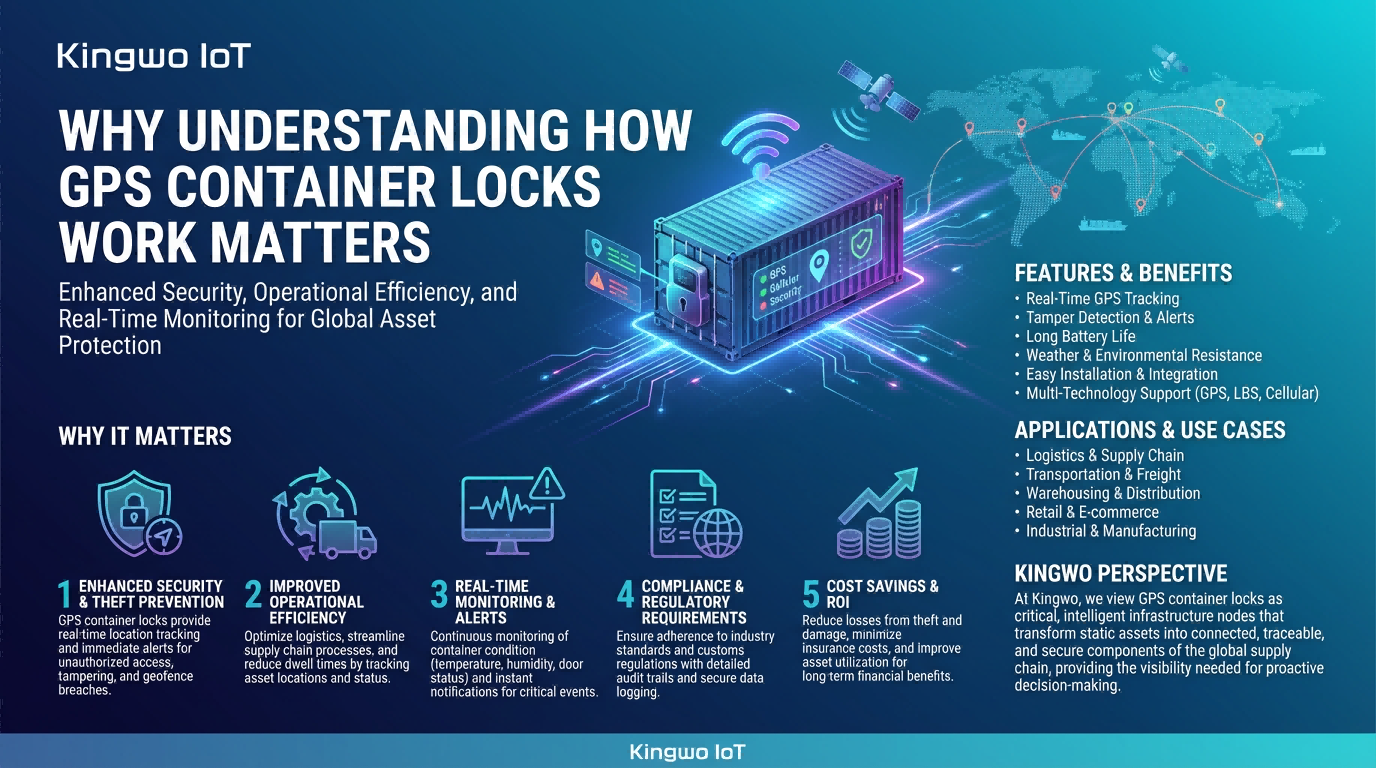

How GPS container locks work is a critical question for logistics operators facing rising cargo theft, unauthorized access, and visibility gaps across global supply chains. As containers move across ports, highways, rail networks, and inland depots, traditional mechanical seals offer no insight into what happens between origin and destination.
GPS container locks combine electronic locking mechanisms with GPS tracking, cellular connectivity, and tamper detection to secure containers throughout international shipping, cross-border transport, and intermodal logistics operations. Rather than relying on post-arrival inspection, these systems provide continuous, event-driven awareness during transit.
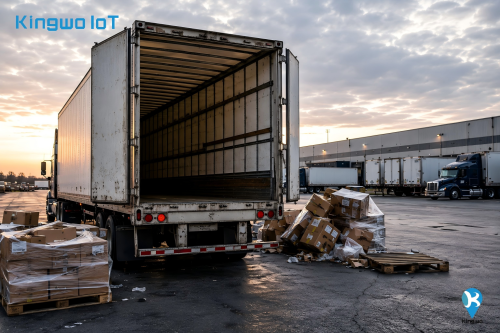
Global containerized trade continues to expand, but container security risks have grown in parallel. Containers frequently change custody, sit idle in unsecured yards, or transit regions with limited infrastructure oversight. Once a container leaves a controlled facility, operators often lose direct visibility for days or weeks.
Traditional seals only confirm whether a container has been opened—after arrival. They provide no real-time indication of theft, diversion, or unauthorized access during transit. This reactive model no longer aligns with modern logistics requirements, especially for high-value or regulated cargo.
As a result, many logistics operators now view GPS container locks not as optional add-ons, but as foundational infrastructure for secure container tracking.
A GPS container lock is an electronic locking device designed to physically secure container doors while simultaneously monitoring location, lock status, and security events.
Unlike disposable mechanical seals, GPS container locks integrate multiple technologies into a single device:
Together, these components allow the lock to function as both a physical security device and a mobile tracking node.
Traditional seals serve a single purpose: showing whether a container was opened. GPS container locks operate continuously throughout the shipment lifecycle.
Key differences include:
This shift transforms container security from inspection-based control to proactive monitoring.
Understanding how GPS container locks work requires examining the core systems that operate together within the device.
GPS container locks use GNSS technology—often supported by assisted GPS (A-GPS)—to determine container location. Position data is recorded at predefined intervals or triggered by movement events.
Rather than transmitting continuous real-time data, most systems rely on event-driven reporting, which balances visibility with power efficiency. Location updates may occur periodically, while alerts are sent immediately when anomalies occur.
Once location or event data is collected, GPS container locks transmit information via cellular networks. Depending on deployment region and design, this may include:
Cellular connectivity enables container lock data to be transmitted directly to cloud platforms without reliance on fixed infrastructure.
At the core of every GPS container lock is an electronically controlled locking mechanism. This mechanism physically secures container doors using bolts, shackles, or cable-based designs.
Access authorization is managed digitally, allowing operators to define when and where a container may be opened. Unlock commands can be issued remotely or validated locally based on predefined rules such as geofencing or time windows.
Beyond locking and tracking, GPS container locks integrate multiple sensors to detect physical interference.
Common tamper detection features include:
When combined with geofencing, these signals provide context. For example, a door opening inside an authorized delivery zone may be acceptable, while the same event elsewhere triggers immediate investigation.
One misconception about GPS container locks is that constant real-time tracking is required. In practice, this approach increases power consumption and operational cost without improving security outcomes.
Modern GPS container locks prioritize event-based intelligence. By transmitting data only when movement, deviation, or tampering occurs, systems deliver actionable insights while preserving battery life.
This design philosophy aligns better with long-haul, cross-border, and intermodal logistics operations.
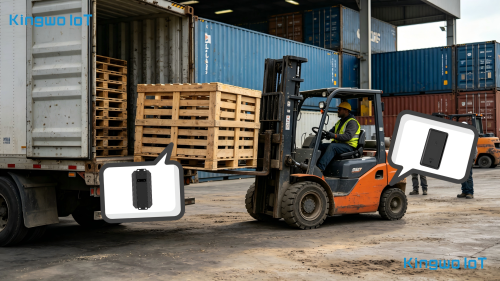
GPS container locks are deployed across a wide range of asset-intensive industries, including:
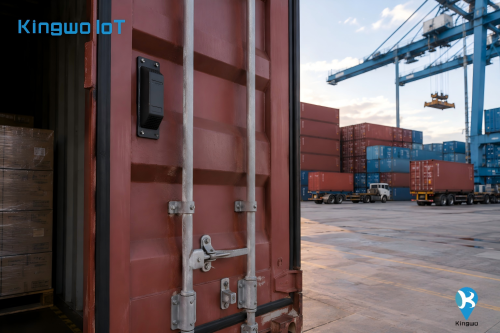
Because GPS container locks operate independently of fixed infrastructure, they are suitable for both transit and temporary storage environments.
The value of GPS container locks increases when integrated into broader logistics platforms. When lock data is combined with fleet telematics, asset tracking systems, and logistics management software, operators gain unified visibility across assets, movement, and security events.
Over time, this data supports risk analysis, compliance reporting, and operational optimization—transforming container security from a defensive measure into a strategic capability.
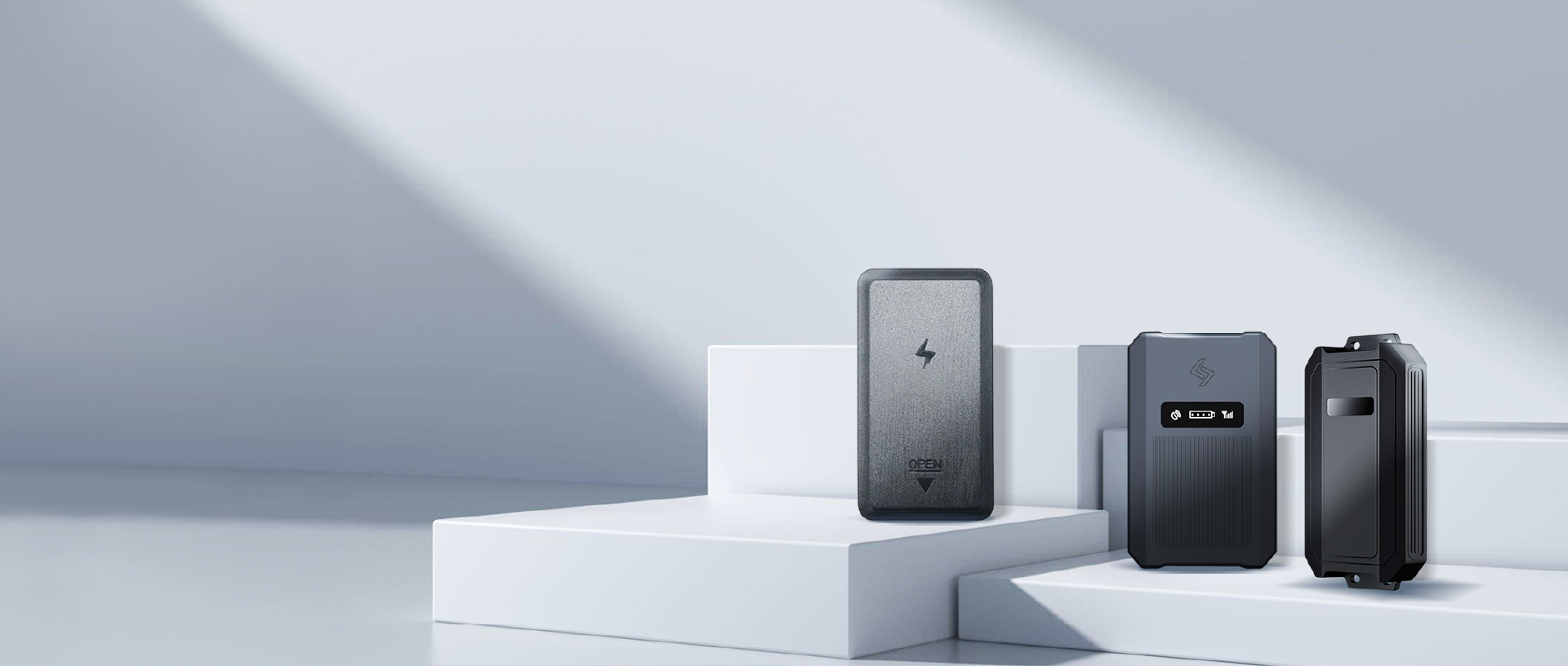
One example of this approach is Kingwo’s NT68 rechargeable GPS container lock. Designed for long-duration logistics operations, it combines GNSS positioning, cellular connectivity, electronic locking, and tamper detection in a rugged enclosure.
The device supports event-based reporting and remote access control, reflecting the broader industry shift toward durable, reusable, and globally deployable container security solutions.
As global logistics networks grow more distributed and less predictable, container security must evolve accordingly.
Understanding how GPS container locks work helps logistics operators move beyond reactive inspection toward continuous, low-intervention visibility. These systems are no longer experimental technologies—they are becoming baseline requirements for secure, transparent container operations in modern supply chains.
 news
news
 news
news
 news
news
 news
news
 news
news
 news
news
 news
news
 news
news
 news
news

English

French

Portuguese

Spanish