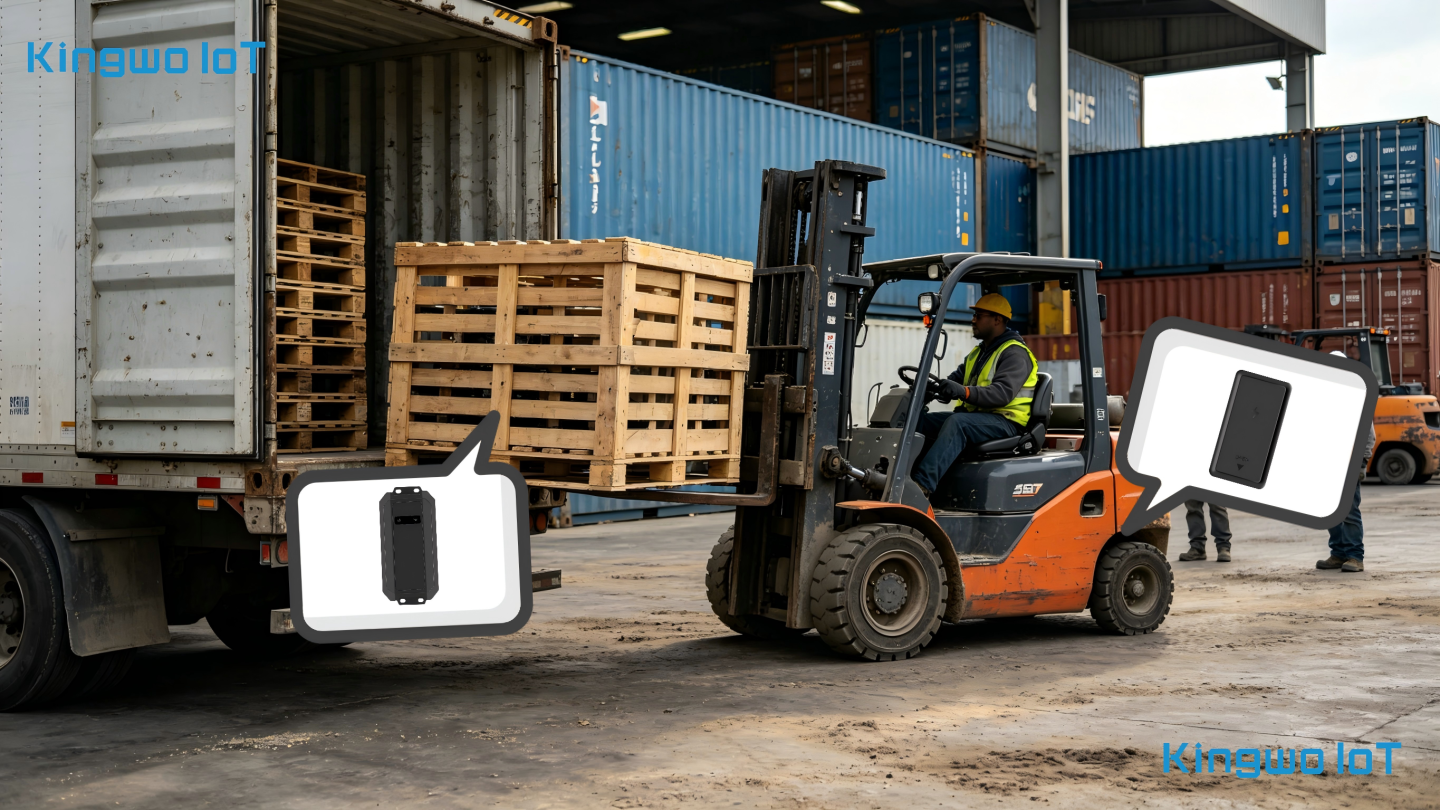

Global supply chains are becoming increasingly digital, interconnected, and efficiency-driven. Yet one critical challenge remains overlooked by many businesses: companies are tracking cargo, but often lack visibility into the assets carrying that cargo.
Pallets, containers, trailers, and returnable transport assets have long been treated as operational infrastructure rather than strategic resources. However, changing supply chain dynamics and rising logistics risks are reshaping that perspective.
Today, asset visibility is no longer simply an operational advantage. It is rapidly becoming a competitive necessity.
When businesses think about supply chain losses, attention often focuses on damaged goods, transportation delays, or rising freight costs.
However, high hidden costs frequently originate from poor visibility of logistics assets themselves.
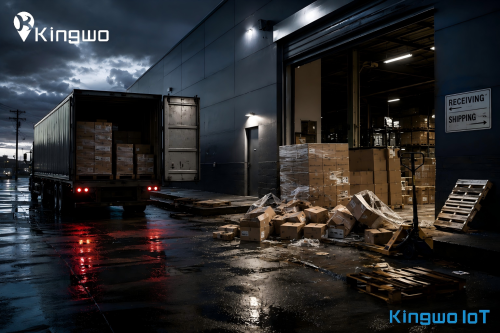
A missing pallet can lead to inventory discrepancies, warehouse inefficiencies, replacement expenses, and operational delays. Container detention and misplaced transport equipment can disrupt scheduling, reduce utilization rates, and create cascading impacts across logistics networks.
In many cases, the problem is not that assets disappear entirely.
The challenge is that businesses cannot immediately answer critical operational questions:
For large-scale logistics operations, manufacturing facilities, cold chain providers, and global transportation companies, these visibility gaps increasingly translate into measurable financial losses.
Supply chain risks are evolving beyond traditional cargo protection concerns.
According to CargoNet’s 2025 Supply Chain Risk Trends report, reported cargo theft incidents in the United States remained relatively stable in 2025 compared to the previous year. However, estimated cargo theft losses surged approximately 60%, reaching nearly $455 million.
The reason behind this shift is particularly important.
Criminal organizations are becoming increasingly selective, targeting high-value freight and cost-dense shipments rather than relying primarily on opportunistic theft.
The average value per cargo theft reportedly increased by 36%, rising from approximately $202,000 to nearly $274,000.
At the same time, supply chain security challenges are expanding beyond cargo itself.
Modern logistics operations increasingly recognize that transportation assets—including pallets, containers, and transport equipment—represent operational resources that require continuous visibility and protection.
A delayed container not only impacts transportation schedules.
It can affect warehouse planning, inventory allocation, customer commitments, and overall operational efficiency.
Traditional asset management approaches often rely on manual processes, scheduled audits, and reactive problem-solving.
Modern logistics environments require something more advanced.
IoT-enabled asset visibility technologies are helping organizations move beyond simple location tracking toward operational intelligence.
Integrated solutions combining GPS positioning, cellular connectivity, BLE technologies, cloud platforms, and real-time alerts enable businesses to monitor critical assets throughout transportation and storage workflows.
More importantly, modern asset visibility systems can support:
For pallets, containers, trailers, and mobile logistics assets, visibility is increasingly becoming infrastructure—not an optional feature.
Supply chain complexity is unlikely to decrease.
Global logistics networks continue expanding across regions, transportation modes, and operational ecosystems.
Future competitive advantage will increasingly depend not simply on how quickly businesses move cargo, but how effectively they manage the assets supporting those operations.
Organizations that improve asset utilization, reduce uncertainty, and strengthen operational visibility will be better positioned to build resilient supply chains capable of adapting to evolving market challenges.
At Kingwo IoT, we believe asset visibility is evolving beyond location tracking alone.
Through intelligent IoT connectivity, real-time asset visibility technologies, and scalable management platforms, businesses can improve operational efficiency, reduce asset uncertainty, and strengthen logistics performance in increasingly dynamic supply chain environments.
As logistics digitalization accelerates, pallet tracking, container visibility, and intelligent asset management will continue becoming foundational capabilities for modern global operations.
By Kailiang Tang
Acting Marketing Director, Kingwo IoT
 news
news
 news
news
 news
news
 news
news
 news
news
 news
news
 news
news
 news
news
 news
news

English

French

Portuguese

Spanish