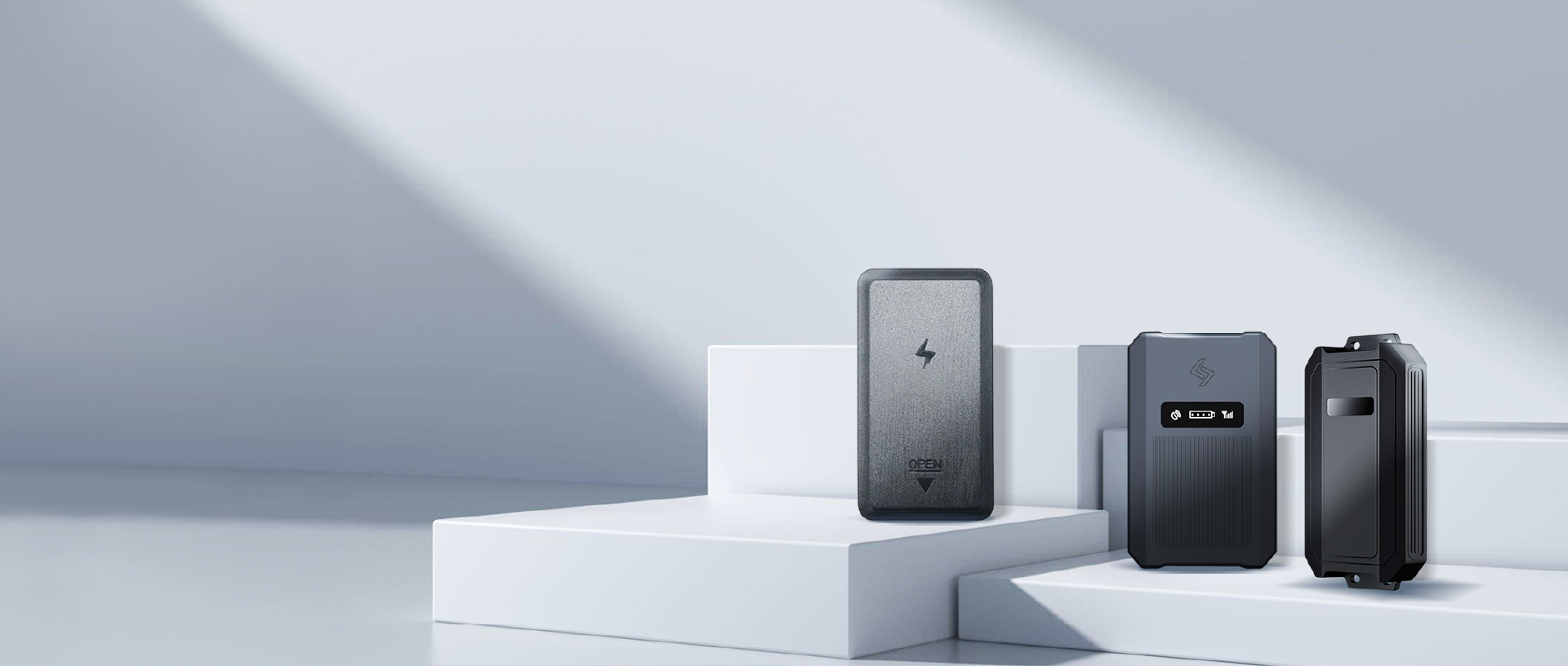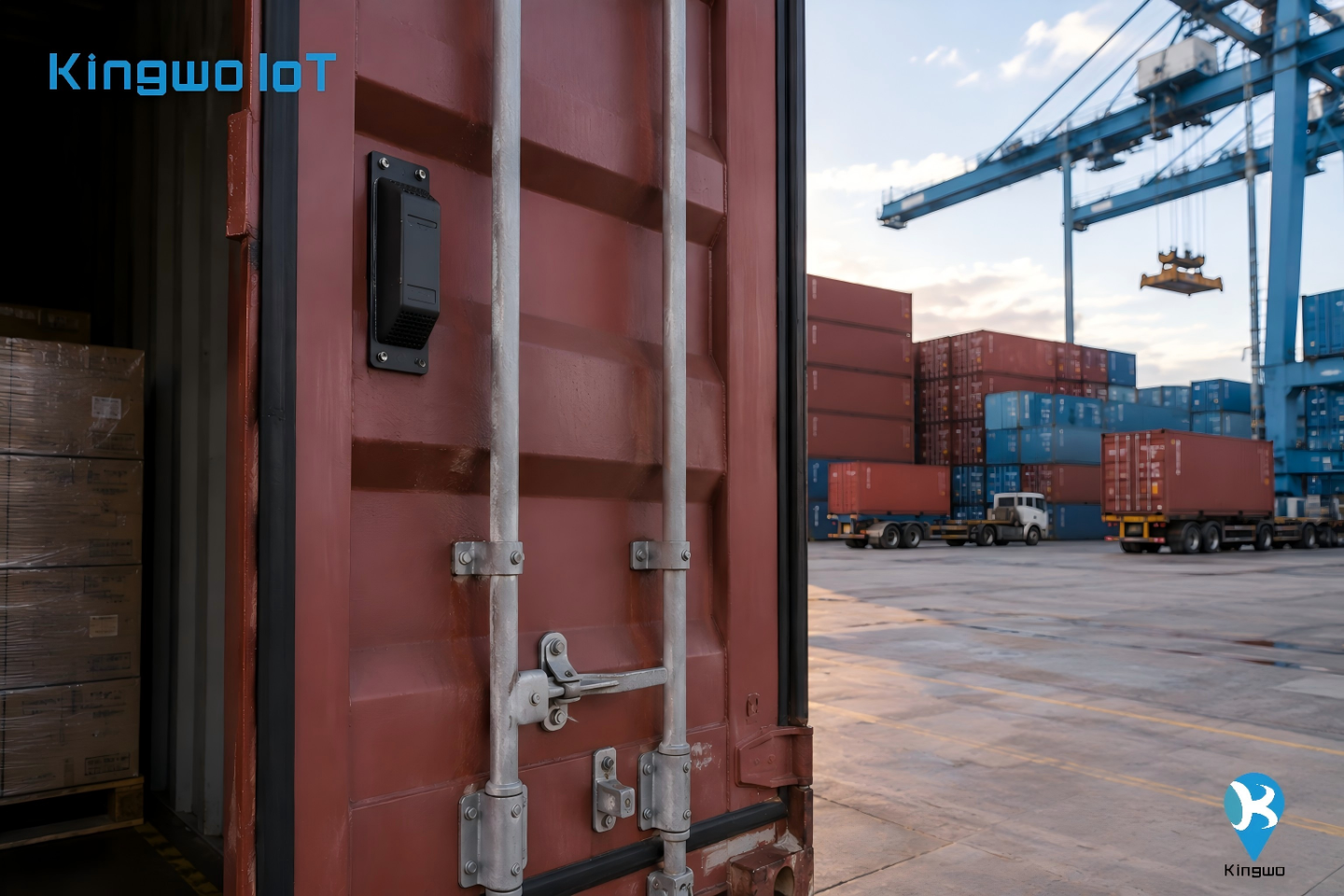

As global supply chains become more complex and assets move across wider geographic areas, businesses are facing a growing challenge: maintaining visibility, security, and operational control over valuable equipment and inventory. From logistics containers and returnable transport items to construction equipment and rental assets, organizations are increasingly turning to IoT-based asset management solutions to improve efficiency and reduce losses.
Many companies still rely on manual asset records, periodic inventory checks, or fragmented tracking systems. While these methods may have been sufficient in the past, they often struggle to keep pace with today's fast-moving operations.
When assets cannot be accurately located, businesses face a range of costly consequences:
In large-scale logistics and industrial environments, even a small percentage of misplaced assets can translate into significant financial losses over time.
Traditionally, asset tracking focused on answering a simple question: Where is my asset?
Today, modern IoT asset tracking solutions provide far more than location data. They enable businesses to monitor asset movement, utilization, dwell time, route efficiency, and security status in real time.
By combining GPS, cellular communication, Wi-Fi positioning, Bluetooth technologies, and cloud-based analytics, organizations can transform raw location information into actionable operational intelligence.
This shift is moving asset management from reactive recovery to proactive decision-making.
Asset tracking technology is expanding beyond traditional fleet management and is now being deployed across a wide range of industries.
Logistics companies use asset trackers to monitor containers, trailers, pallets, and high-value cargo throughout transportation networks. Real-time visibility helps improve shipment security, reduce delays, and optimize asset utilization.
Construction firms often manage equipment across multiple job sites. Asset tracking helps prevent unauthorized movement, improves equipment allocation, and reduces downtime caused by misplaced machinery.
Rental companies benefit from accurate asset location data, allowing them to manage inventory more effectively, improve customer service, and reduce losses from unreturned equipment.
Manufacturers use tracking technologies to monitor returnable assets, production equipment, and inventory movements, helping streamline operations and improve asset accountability.
One of the most significant advantages of modern asset tracking is the ability to detect potential risks before they become costly incidents.
Features such as:
allow businesses to identify unusual asset behaviour and respond quickly.
Rather than relying solely on recovery efforts after an asset disappears, companies can now implement preventive asset security strategies that reduce the likelihood of loss altogether.
Hardware alone is no longer enough.
The true value of asset tracking lies in the ability to collect, analyze, and manage data through a centralized IoT platform.
A modern asset management platform enables organizations to:
As organizations digitize their operations, cloud-connected asset management systems are becoming a core component of broader digital transformation initiatives.
At Kingwo IoT, we believe asset tracking should deliver more than location visibility. It should provide businesses with the intelligence needed to improve operational efficiency, strengthen security, and make faster decisions.
Our asset tracking solutions combine advanced positioning technologies with a powerful IoT cloud platform, helping organizations monitor and manage valuable assets across diverse operating environments.
Whether tracking logistics equipment, containers, rental assets, industrial machinery, or mobile inventory, Kingwo enables businesses to maintain greater control throughout the asset lifecycle.
As supply chains continue to evolve and businesses demand greater operational transparency, asset tracking is rapidly becoming a strategic necessity rather than an optional technology investment.
The future of asset management will not simply be about knowing where assets are. It will be about understanding how assets move, how they are utilized, and how businesses can leverage that information to drive efficiency, resilience, and growth.
Organizations that embrace intelligent asset tracking today will be better positioned to compete in an increasingly connected and data-driven world.
By Kailiang Tang
Acting Marketing Director, Kingwo IoT
 news
news
 news
news
 news
news
 news
news
 news
news
 news
news
 news
news
 news
news

English

French

Portuguese

Spanish