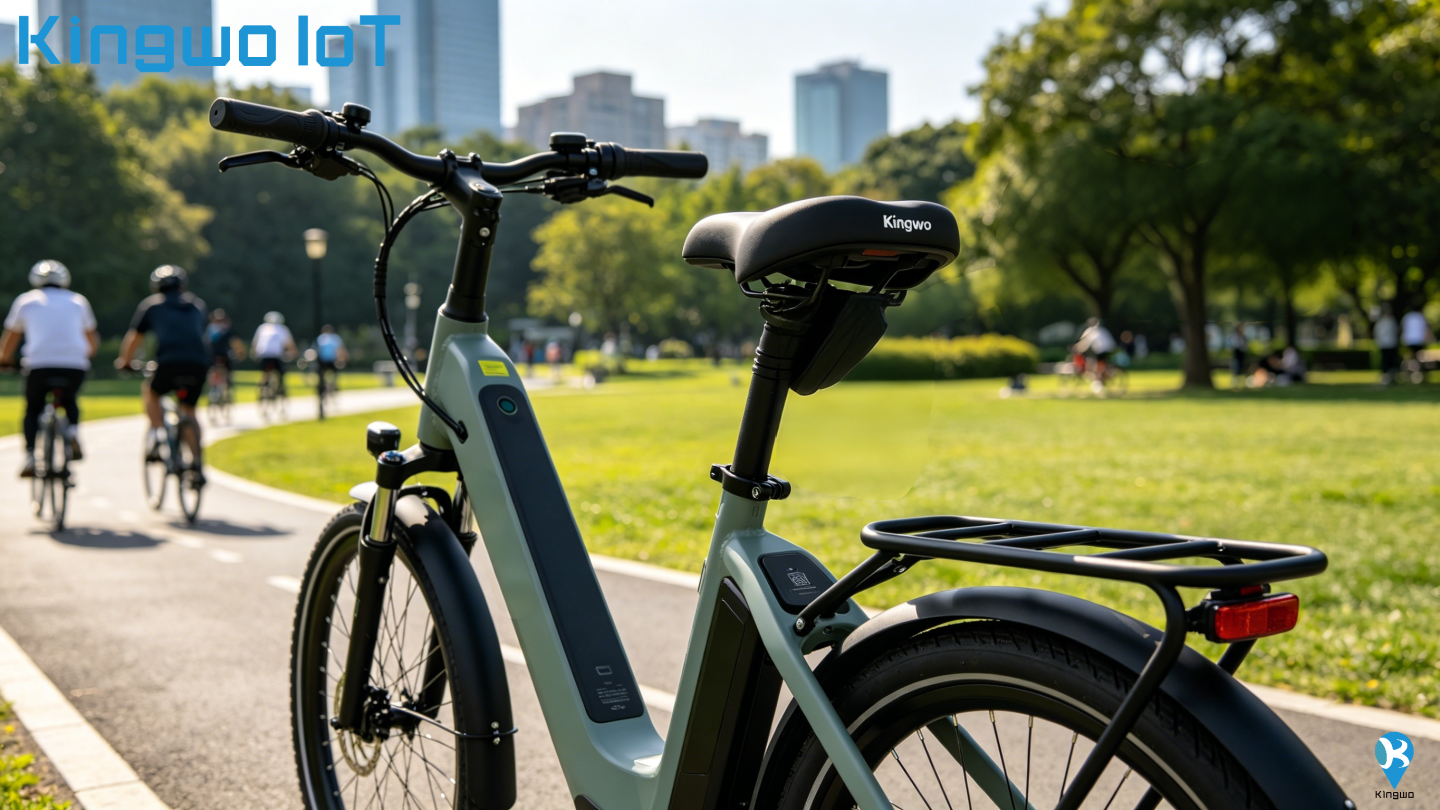

As electric bicycles (E-bikes) continue to gain traction in urban and recreational mobility across the United States, understanding the complex regulatory landscape has become critical for industry stakeholders and technology providers offering IoT solutions. State-level and federal regulations define vehicle classifications, age requirements, helmet mandates, and road and trail usage, creating a mosaic of compliance obligations that manufacturers, distributors, and IoT solution providers must navigate carefully.
Across the U.S., E-bikes are generally categorized into three classes. Class 1 and Class 2 bikes rely on human pedalling with electric assistance or throttle-assisted motor drive, capped at 20 miles per hour (approximately 32 kilometres per hour). Class 3 bikes, which are pedal-assist only, can reach speeds of up to 28 miles per hour (approximately 44.8 kilometres per hour). These classifications directly influence where E-bikes can legally operate, particularly on bike lanes, multi-use paths, and state-managed trails, emphasizing the importance of integrated IoT solutions to monitor compliance.
Age restrictions and helmet requirements further complicate compliance. Riders under 16 are typically prohibited from operating Class 3 E-bikes, while helmet use is mandatory for all Class 3 riders in most states. Some states also impose helmet requirements on younger riders of Class 1 and 2 bicycles, reflecting a cautious approach to safety in high-speed or mixed-use areas. Kingwo IoT solutions can help operators track rider age compliance and ensure helmet policies are enforced in real-time.
Federal and state authorities delineate where E-bikes may operate. Class 1 and 2 bikes are generally permitted on roads and paths where conventional bicycles are allowed, while Class 3 bikes face more restrictions, particularly on dedicated bike lanes and mountain or natural-surface trails. Local governments retain the authority further to restrict E-bike access on certain roads or public lands, underscoring the importance of consulting municipal and county regulations. On federal lands managed by the U.S. Forest Service or Bureau of Land Management, electric mountain bikes are often classified as motor vehicles, limiting their operation to designated motorized trails. Kingwo IoT devices provide geo-fencing and real-time alerts to ensure E-bikes do not enter restricted areas.
State parks and recreational areas demonstrate diverse approaches. For instance, New Jersey allows Class 1 and 2 bikes on all roads accessible to traditional bicycles but requires Class 3 bikes to meet additional compliance requirements, including registration in certain areas. Conversely, states like Hawaii and New Mexico impose registration or operational permits for certain electric-assisted models. Through advanced IoT tracking, Kingwo enables fleet operators and distributors to monitor registration compliance and operational permits across multiple jurisdictions.
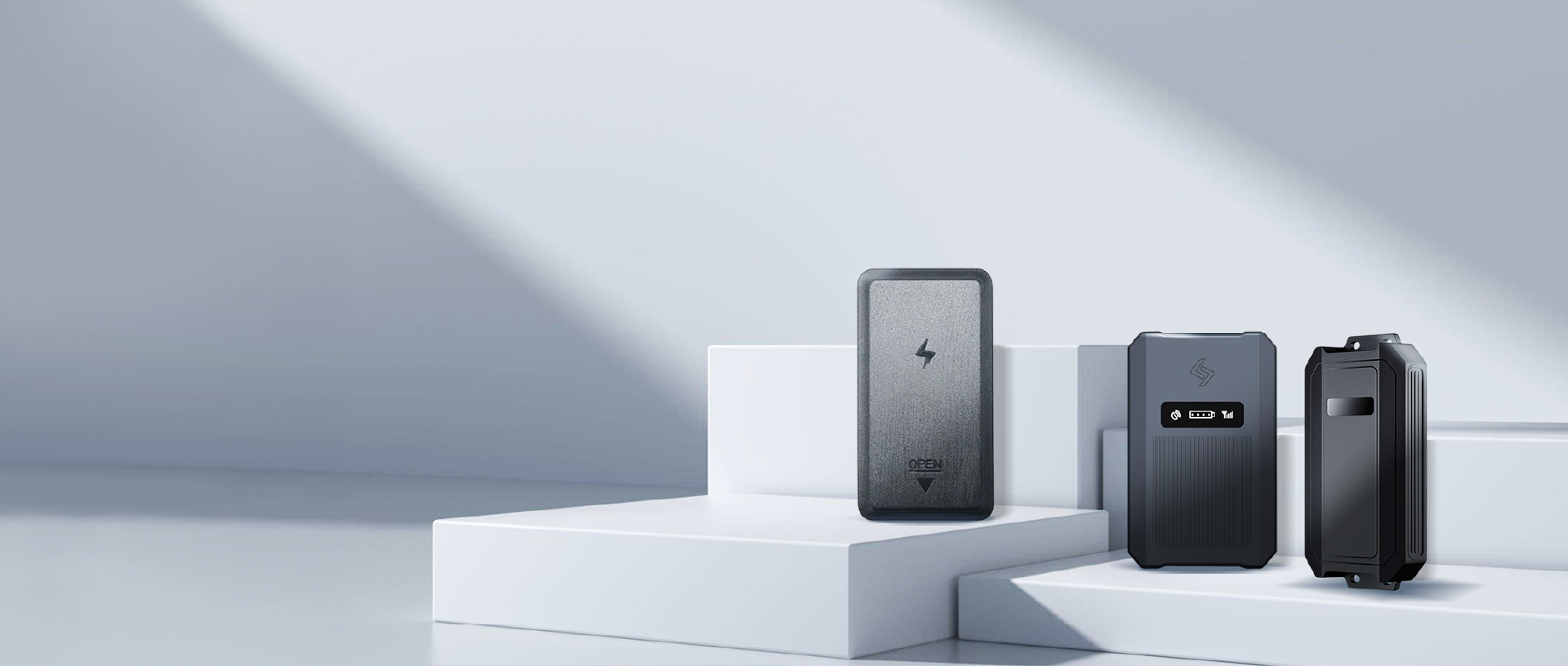
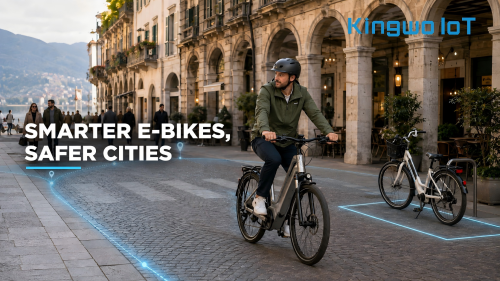
For Kingwo, these regulations present both operational challenges and strategic opportunities. Our IoT solutions, including the LT32 and LT420, integrate seamlessly with E-bikes, offering secure, real-time vehicle tracking, electronic geofencing, and anti-tamper alerts. By leveraging IoT connectivity, Kingwo devices can alert operators if E-bikes are used in restricted zones, provide usage analytics aligned with local legal frameworks, and facilitate data-driven operational decisions. This proactive approach not only mitigates compliance risk but also strengthens Kingwo’s positioning as a trusted IoT solution provider in the growing E-bike sector, particularly in regions with stringent or evolving regulations.
As the U.S. E-bike market expands, staying ahead of regulatory developments will remain crucial. Manufacturers and technology providers must continuously monitor federal, state, and local requirements and adjust both product capabilities and operational protocols. Kingwo is committed to maintaining leadership in this space, ensuring our IoT solutions support not just tracking and security, but also regulatory compliance and the safe adoption of electric mobility. Through ongoing investment in smart connectivity, precise monitoring, and real-time operational intelligence, Kingwo enables its partners to navigate this complex environment efficiently, positioning our technology at the intersection of innovation, safety, and compliance in the E-bike industry.
By Kailiang Tang
Acting Marketing Director, Kingwo IoT
 news
news
 news
news
 news
news
 news
news
 news
news
 news
news
 news
news
 news
news

English

French

Portuguese

Spanish