
A recent vehicle theft investigation in Canada has highlighted a growing challenge facing vehicle owners, logistics operators, and asset managers worldwide: once a stolen asset enters the global supply chain, recovery becomes significantly more difficult.
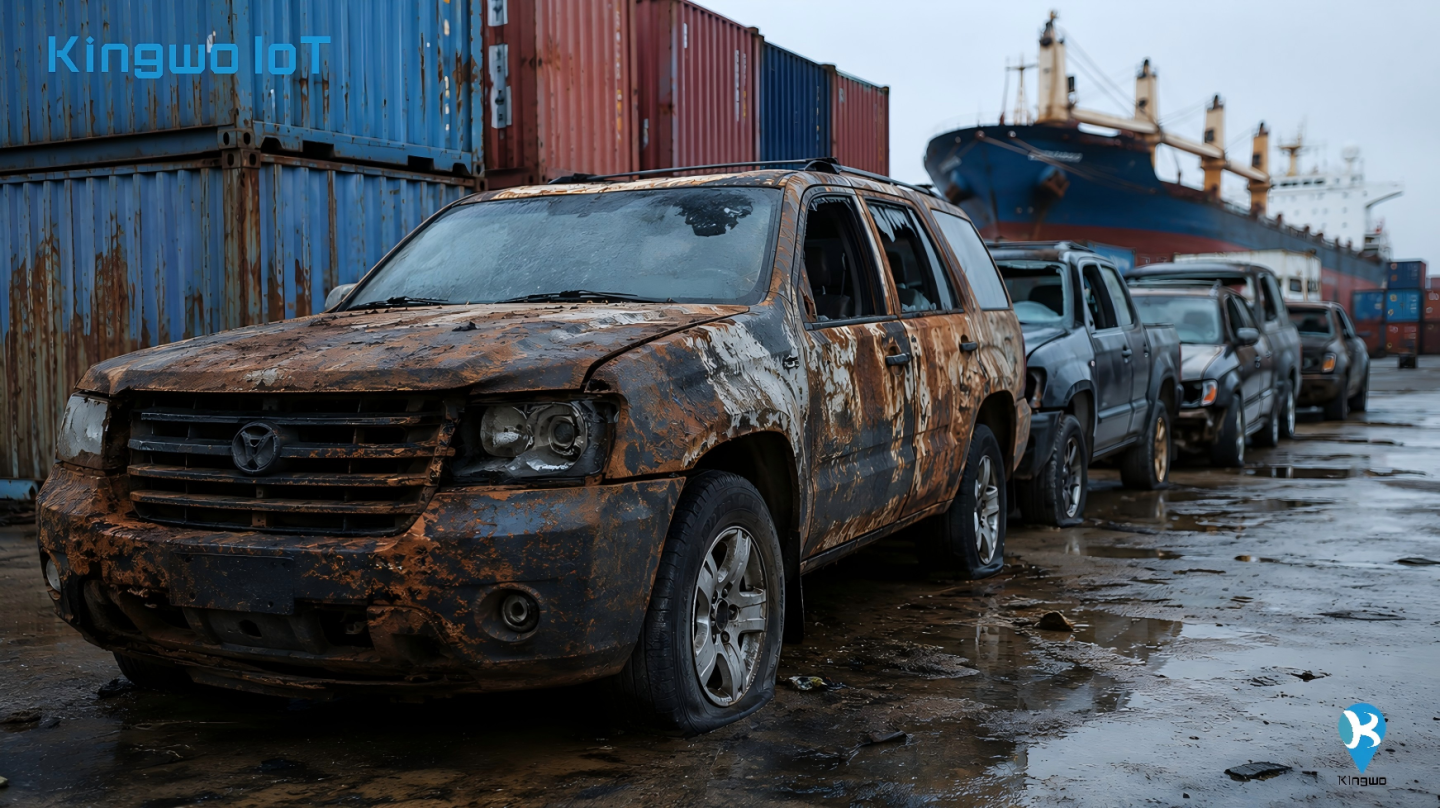
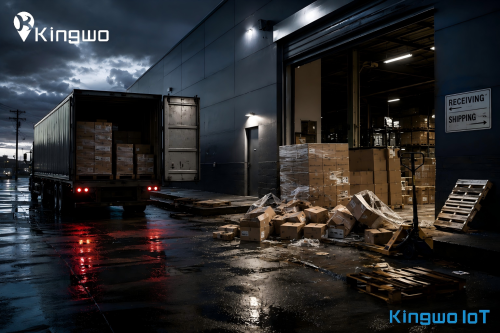
According to reports from Canadian authorities, a three-month investigation known as Project Starter resulted in the recovery of 40 stolen vehicles valued at more than CAD $3 million. The operation uncovered stolen vehicles hidden in shipping containers and traced others to overseas ports thousands of kilometres away from where they were originally stolen.
The case serves as a reminder that modern vehicle theft is no longer a local crime. It has evolved into an international network involving transportation routes, shipping facilities, and organized criminal operations.
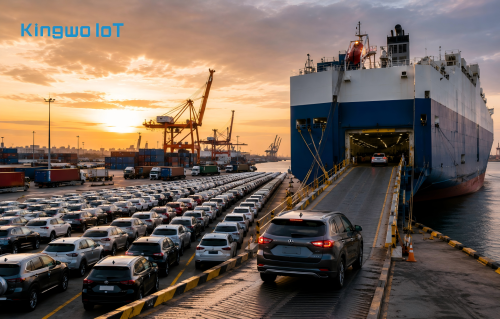
The recovered vehicles included popular models such as the Honda CR-V, Toyota Tundra, Ford F-150, Lexus RX, and even a Lamborghini. Investigators found 19 stolen vehicles concealed in shipping containers located in Montreal and the Greater Toronto Area. Another 21 vehicles were located in overseas ports, including destinations as far away as Ghana, Spain, and the Bahamas.
The investigation illustrates how quickly stolen assets can move through transportation networks once they leave their original location. In many cases, assets may cross provincial or national borders before owners even become aware that a theft has occurred.
For businesses managing high-value vehicles, equipment, trailers, or containers, this presents a significant challenge. The longer an asset remains invisible after a theft event, the lower the likelihood of successful recovery.
Traditional vehicle security measures such as alarms and immobilizers remain important. However, they are primarily designed to deter theft rather than provide visibility after an incident occurs.
Asset visibility introduces another layer of protection.
With modern IoT asset tracking technologies, businesses and vehicle owners can monitor asset locations in real time, receive alerts when assets move unexpectedly, and review historical routes through cloud-based management platforms.
This level of visibility can significantly shorten the response window following unauthorized movement and help identify suspicious activity before assets disappear into complex transportation networks.
One of the most important lessons from Project Starter is that vehicle theft increasingly resembles a supply chain issue rather than an isolated criminal event.
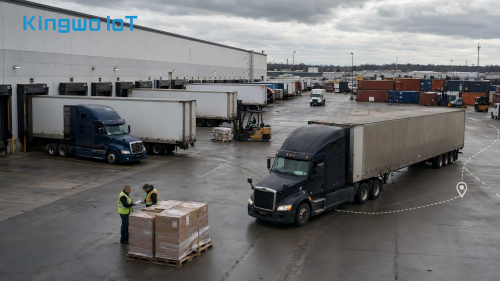
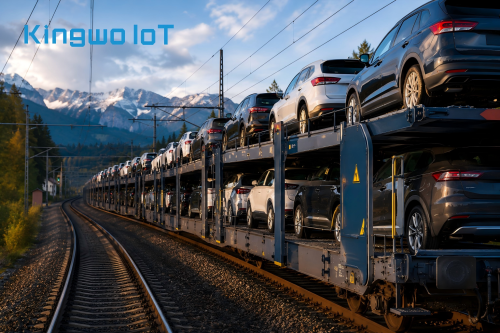
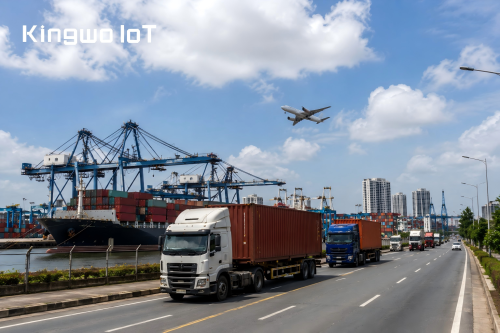
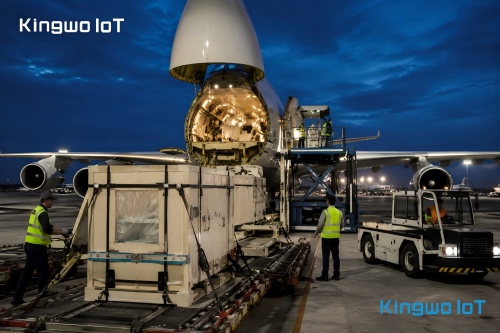
Stolen vehicles are often moved through warehouses, transportation hubs, ports, and international shipping routes. Once an asset enters this ecosystem, recovery efforts become substantially more complex.
As a result, businesses are beginning to view asset tracking not only as a security tool but also as a visibility solution that supports risk management, operational control, and asset accountability.
The same principles apply beyond passenger vehicles. Commercial fleets, trailers, containers, construction equipment, and other mobile assets face similar risks when visibility is limited.
Organizations today are adopting a more proactive approach to asset protection.
Real-time GPS positioning, geofence alerts, movement notifications, route history, and centralized cloud monitoring provide businesses with actionable information when assets move outside expected operating conditions.
Rather than relying solely on recovery after a theft occurs, these technologies help organizations identify risks earlier and respond more quickly.
The Canadian vehicle recovery operation demonstrates how sophisticated and international asset theft networks have become. Assets can move from local streets to international shipping routes in a remarkably short period of time.
At Kingwo IoT, we believe that visibility is becoming one of the most important elements of modern asset protection. By combining GPS tracking, intelligent alerts, and cloud-based asset management, businesses can gain greater control over vehicles, containers, trailers, and other valuable assets throughout their lifecycle.
As supply chains continue to become more connected and globalized, real-time asset visibility will play an increasingly important role in reducing risk and improving operational resilience.
By Kailiang Tang
Acting Marketing Director, Kingwo IoT
 news
news
 news
news
 news
news
 news
news
 news
news
 news
news
 news
news
 news
news
 news
news

English

French

Portuguese

Spanish