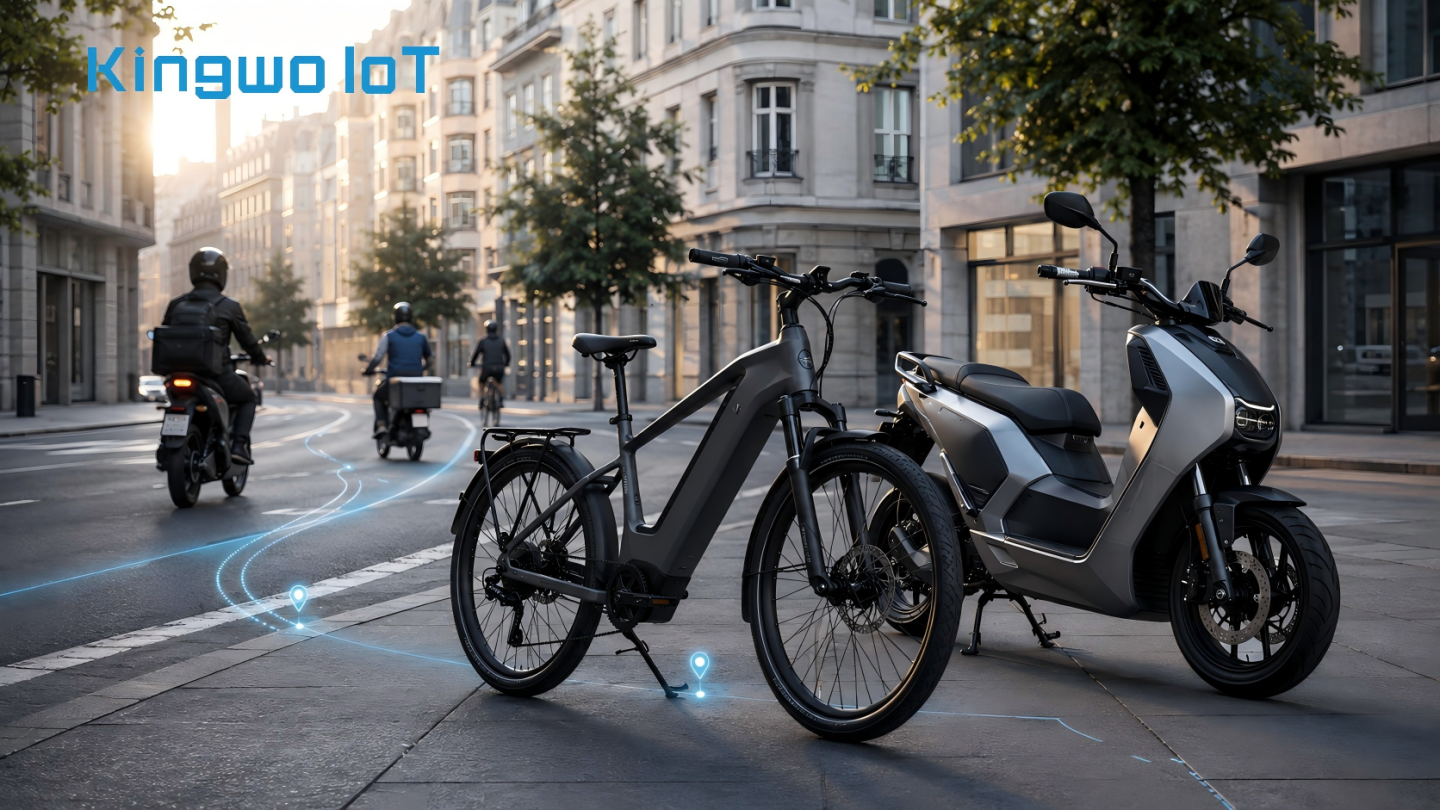

Electric two-wheelers are rapidly becoming an essential part of modern transportation. From personal commuting and food delivery to shared mobility and commercial fleet operations, E-bikes and E-motorcycles provide an efficient alternative to conventional vehicles—particularly in increasingly congested urban environments.
However, the evolution of electric mobility is not simply about replacing fuel engines with batteries. The next stage of the industry will be defined by connectivity, intelligence and security.
Cities around the world are searching for more efficient ways to move people and goods. Compared with cars and traditional delivery vehicles, electric two-wheelers require less road space, consume less energy and can operate more efficiently in dense urban areas.
For individual riders, E-bikes offer a practical solution for commuting and short-distance travel. For delivery companies, electric motorcycles and scooters help improve last-mile delivery efficiency. Meanwhile, shared-mobility operators, tourism companies, campuses, industrial parks and corporate fleets are also adopting electric two-wheelers for daily operations.
As the market expands, manufacturers and operators must consider more than vehicle performance. They also need to understand where each vehicle is located, how it is being used and whether any abnormal activity has occurred.
The growing value and popularity of electric two-wheelers have introduced new challenges. Vehicle theft, unauthorized use, battery-related issues, inefficient fleet allocation and limited operational visibility can all affect the rider experience and the profitability of a mobility business.
A conventional E-bike may include a motor, battery, controller and display. A connected E-bike adds another critical layer: the ability to communicate with riders, manufacturers and fleet management systems.
By integrating IoT technology, electric two-wheelers can provide real-time positioning, historical travel routes, geofence notifications, movement alerts and abnormal-event warnings. Depending on the vehicle configuration, connected systems can also support Bluetooth unlocking, riding-data collection, battery-status monitoring and remote vehicle control.
This transforms an electric two-wheeler from a standalone vehicle into a manageable digital asset.
Security is one of the most important concerns for E-bike and E-motorcycle owners. Traditional locks can provide physical protection, but they cannot tell the owner where the vehicle has been moved or alert a fleet operator when unauthorized activity occurs.
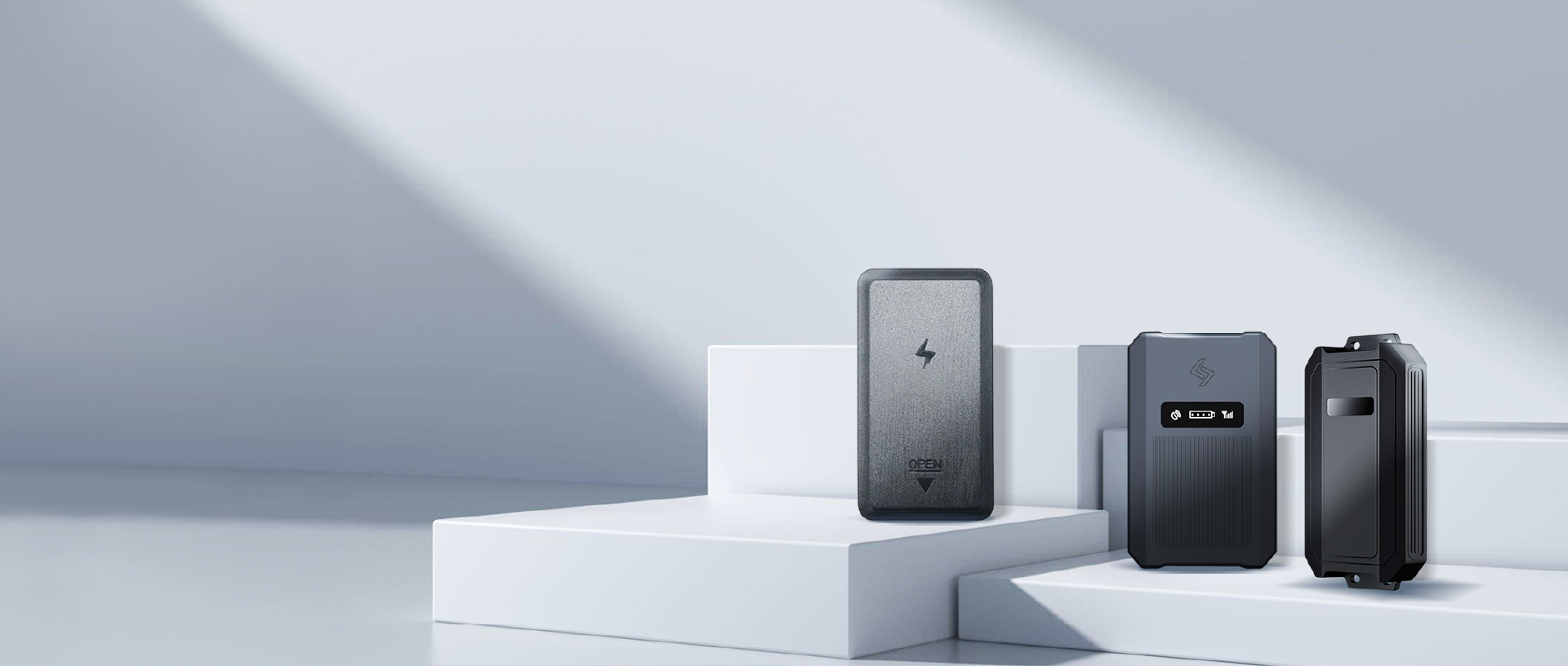
A concealed IoT tracking device can continuously monitor the vehicle without affecting its original appearance. The hardware can be installed inside the battery compartment, vehicle frame or another hidden location according to the vehicle structure.
If the vehicle leaves a designated area, is moved unexpectedly or experiences an abnormal event, the system can send an alert to the user or management platform. Location data can then support a faster response and improve the possibility of vehicle recovery.
For manufacturers, adding integrated security features can also increase product value and create a stronger competitive advantage.
Managing hundreds or thousands of electric two-wheelers requires far more than knowing their approximate locations.
Fleet operators need to understand vehicle availability, utilization frequency, travel history and operating status. Without reliable data, vehicles may remain unused in one area while demand increases elsewhere. Maintenance may be delayed, unusual activity may go unnoticed, and operating costs can become difficult to control.
A connected fleet management platform provides centralized visibility across the entire fleet. Managers can view vehicle locations, review historical routes, configure geofences and receive alerts when specific events occur.
These capabilities are particularly valuable for last-mile delivery fleets, shared E-bike platforms, rental companies, tourism operators and corporate transportation services. Better information allows operators to respond faster, deploy vehicles more efficiently and make operational decisions based on actual usage data.
Connectivity does not only benefit manufacturers and fleet managers—it can also improve the everyday experience of riders.
Bluetooth-based unlocking can reduce dependence on physical keys. A connected smart display can show vehicle speed, battery level, riding mode, trip distance and other useful information. Mobile applications can help users locate their vehicles, review riding information and receive security notifications.
When these functions work together, the E-bike or E-motorcycle becomes part of a complete digital mobility ecosystem rather than simply a method of transportation.
Every electric two-wheeler project has different technical requirements. Vehicle structure, power supply, communication protocol, regional network coverage and platform architecture can vary significantly between manufacturers and markets.
For this reason, IoT solutions must provide sufficient flexibility. Hardware may require embedded, concealed or external installation. Communication options may include cellular connectivity, Bluetooth, CAN, UART or RS485, depending on the vehicle and controller design.
Manufacturers may also require API integration, customized communication protocols, white-label applications, multilingual platforms or private-cloud deployment. A flexible IoT partner must therefore support both hardware adaptation and software integration.
At Kingwo IoT, we believe the future of two-wheel transportation will be electric, connected, visible and secure.
We provide integrated IoT hardware and software solutions for E-bike and E-motorcycle manufacturers, mobility brands, delivery fleets, rental operators and shared-vehicle platforms. Our solutions cover compact GPS tracking devices, intelligent displays, Bluetooth connectivity, vehicle security functions and centralized fleet management platforms.
With independently developed hardware and software capabilities, Kingwo IoT can support OEM and ODM customization for different vehicle structures, application scenarios and regional markets. Whether the objective is theft prevention, fleet visibility, smart unlocking, riding-data collection or platform integration, our goal is to help customers build a complete connected-mobility solution.
Electric power is changing how two-wheelers move. IoT connectivity will change how they are protected, managed and experienced.
By Kailiang Tang
Acting Marketing Director, Kingwo IoT
 news
news
 news
news
 news
news
 news
news
 news
news
 news
news
 news
news
 news
news
 news
news

English

French

Portuguese

Spanish