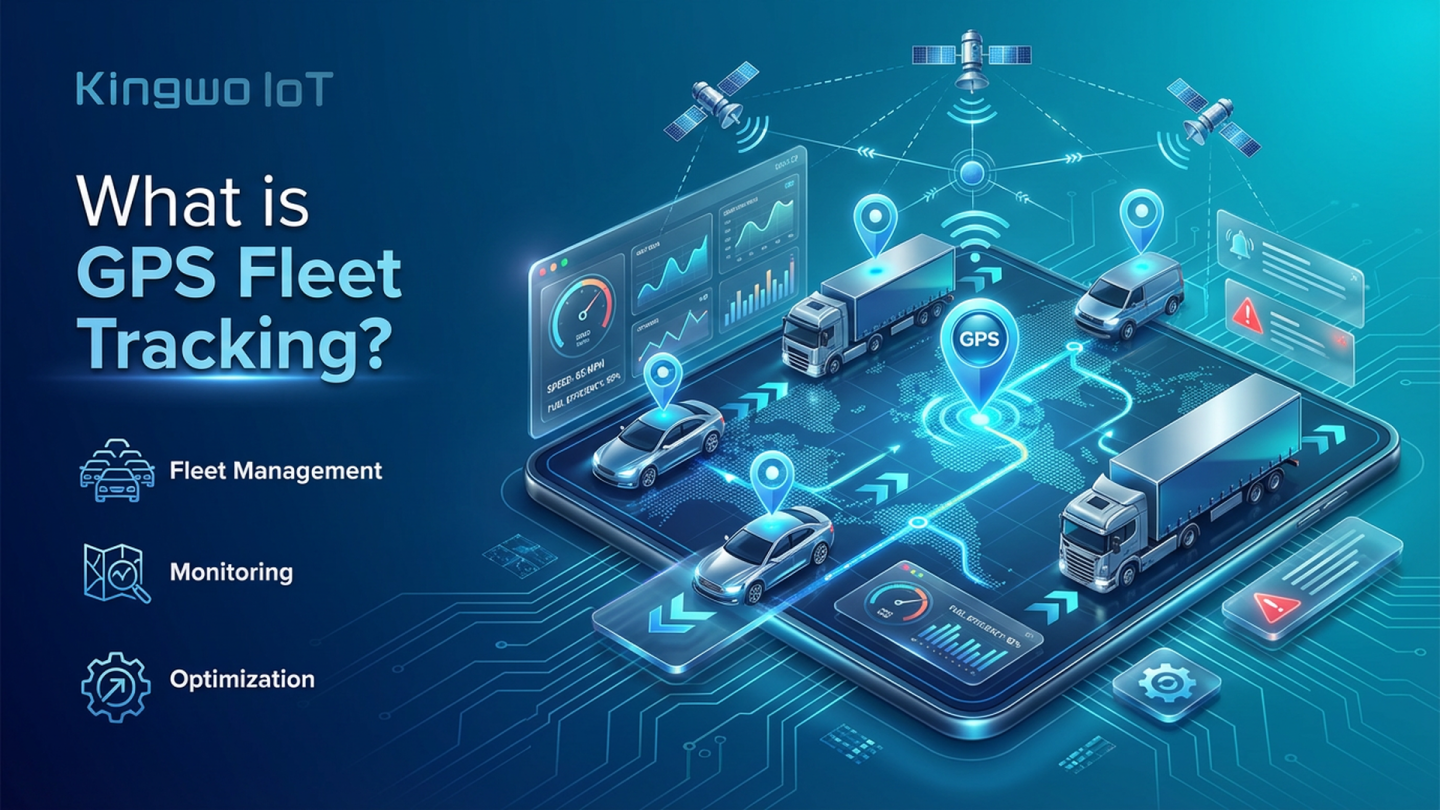

GPS fleet tracking is a core technology that enables organizations to monitor the real-time location, movement and speed of vehicles ranging from commercial trucks to heavy construction machinery. By combining satellite-based positioning with telematics and data analytics, fleet tracking supports safer operations, faster routing, lower costs and improved visibility across daily fleet activities. This article provides a comprehensive, SEO-friendly overview of how GPS fleet tracking works, the technologies behind it, and its applications across key industries.
Modern fleet tracking begins with an onboard GPS-enabled telematics device installed in the vehicle. This device continuously receives signals from multiple satellites to calculate its precise position using trilateration. By measuring how long satellite signals take to reach the receiver, the device determines the vehicle’s exact location, speed and direction of travel.
Once collected, the telematics unit transmits this data through cellular networks to a centralized cloud platform. Fleet managers can instantly view movement, analyze patterns, and take action when needed. Advanced tracking systems also gather data on driving behavior, fuel consumption, engine status and idling times, giving operators a holistic view of fleet performance. Together, these insights help organizations make more informed decisions across all aspects of fleet operations.
GPS Technology for Real-Time Positioning
GPS (Global Positioning System) is the foundation of fleet tracking. By triangulating signals from a network of satellites, GPS determines precise vehicle location even in dense urban environments or remote terrain. This live visibility enables organizations to track assets worldwide.
Telematics Systems for Data Collection and Transmission
Telematics integrates GPS data with onboard diagnostics and cellular connectivity. Through hardwired or OBD-based devices, telematics systems gather information such as vehicle speed, braking patterns, engine health and fuel performance. Centralizing this information allows fleet managers to oversee operations more effectively and automate routine tasks.
Geofencing for Automated Alerts and Security
Geofencing creates virtual boundaries around specific zones. When a vehicle enters or exits these areas, the system triggers an instant alert. This feature is essential for preventing unauthorized use, supporting compliance, and monitoring activity at job sites or delivery zones.
GPS fleet tracking offers a wide range of operational and financial advantages that help organizations streamline performance.
Enhanced Driver and Vehicle Safety
Real-time location data allows managers to respond quickly in emergencies. If a collision occurs, teams can dispatch assistance immediately and reduce potential damage or injury.
Operational Efficiency and Route Optimization
Visibility into each vehicle’s position helps simplify routing decisions, avoid congestion, and reduce delays. Fleet managers can monitor idling and detect unexpected stops to maintain smooth operations.
Cost Reduction and Improved Asset Utilization
By identifying the most efficient routes, organizations reduce fuel consumption and maintenance costs. Accurate tracking also deters misuse and supports lower insurance premiums.
Instant Alerts for Real-Time Decision-Making
Live notifications about location, safety events or unexpected route deviations help teams act quickly and maintain service quality.
Better Route Planning and Delivery Performance
Combining historical and real-time traffic data enables more efficient route planning, ensuring faster deliveries and lower operating expenses.
Driver Behavior Monitoring for Safety Compliance
GPS tracking provides insights into speeding, harsh braking, abrupt turns and idle time. These metrics help enforce safe driving habits and support regulatory compliance for required rest periods.
Fleet tracking devices typically fall into two categories:
Permanently installed and powered by the vehicle’s battery, hardwired trackers offer stable, long-term performance with access to diagnostic data.
Easily installed through the vehicle’s OBD-II port, these trackers provide quick access to telematics data and can be moved between vehicles as needed.
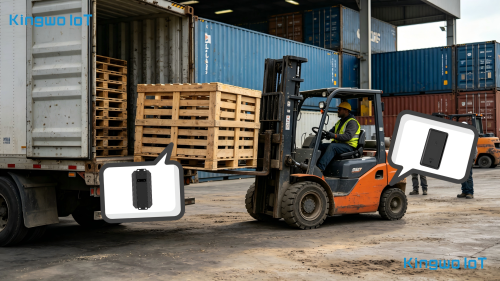
Ideal for trailers, equipment or vehicles without available power sources, portable trackers offer flexible deployment across a wide range of assets.
Transportation and Logistics
GPS tracking improves delivery accuracy, deters unauthorized use and provides end-to-end visibility across long-haul operations. Efficient routing can significantly reduce fuel consumption and operational costs.
Construction and Heavy Equipment
Construction managers use GPS tracking to monitor high-value machinery, enhance operator safety and manage multiple job sites. Geofencing helps reduce theft and unauthorized movement.
Public Safety and Emergency Response
Emergency teams rely on GPS tracking to locate units instantly and dispatch the nearest available vehicle. This technology improves responsiveness and operational transparency across wide geographic areas.
Actionable Insights for Performance Optimization
Fleet tracking platforms analyze real-time and historical GPS data to help managers detect inefficiencies and make data-driven decisions related to fuel use, staffing, maintenance and route planning.
Integration with Enterprise Systems
GPS tracking systems can integrate with ERP, TMS, maintenance and compliance software. Centralizing this data allows organizations to streamline reporting, improve coordination and reduce administrative workload.
GPS fleet tracking has evolved into a critical technology for modern fleet management. By combining real-time data, telematics intelligence, and advanced analytics, organizations can operate more safely, efficiently, and competitively. For fleets seeking to enhance performance, reduce costs, and maintain complete visibility across operations, GPS fleet tracking provides a reliable and scalable solution.
As an IoT technology provider dedicated to advancing intelligent mobility, Kingwo IoT continues to develop innovative telematics devices and cloud platforms that empower businesses to modernize their fleet operations. Guided by a vision of safer roads, smarter logistics, and more connected industries, Kingwo focuses on delivering dependable, globally adaptable solutions that help partners scale and succeed in an increasingly data-driven world. Through continuous innovation and customer-centric design, Kingwo remains committed to supporting fleets as they transition into the next era of smart transportation.
 news
news
 news
news
 news
news
 news
news
 news
news
 news
news
 news
news
 news
news
 news
news

English

French

Portuguese

Spanish