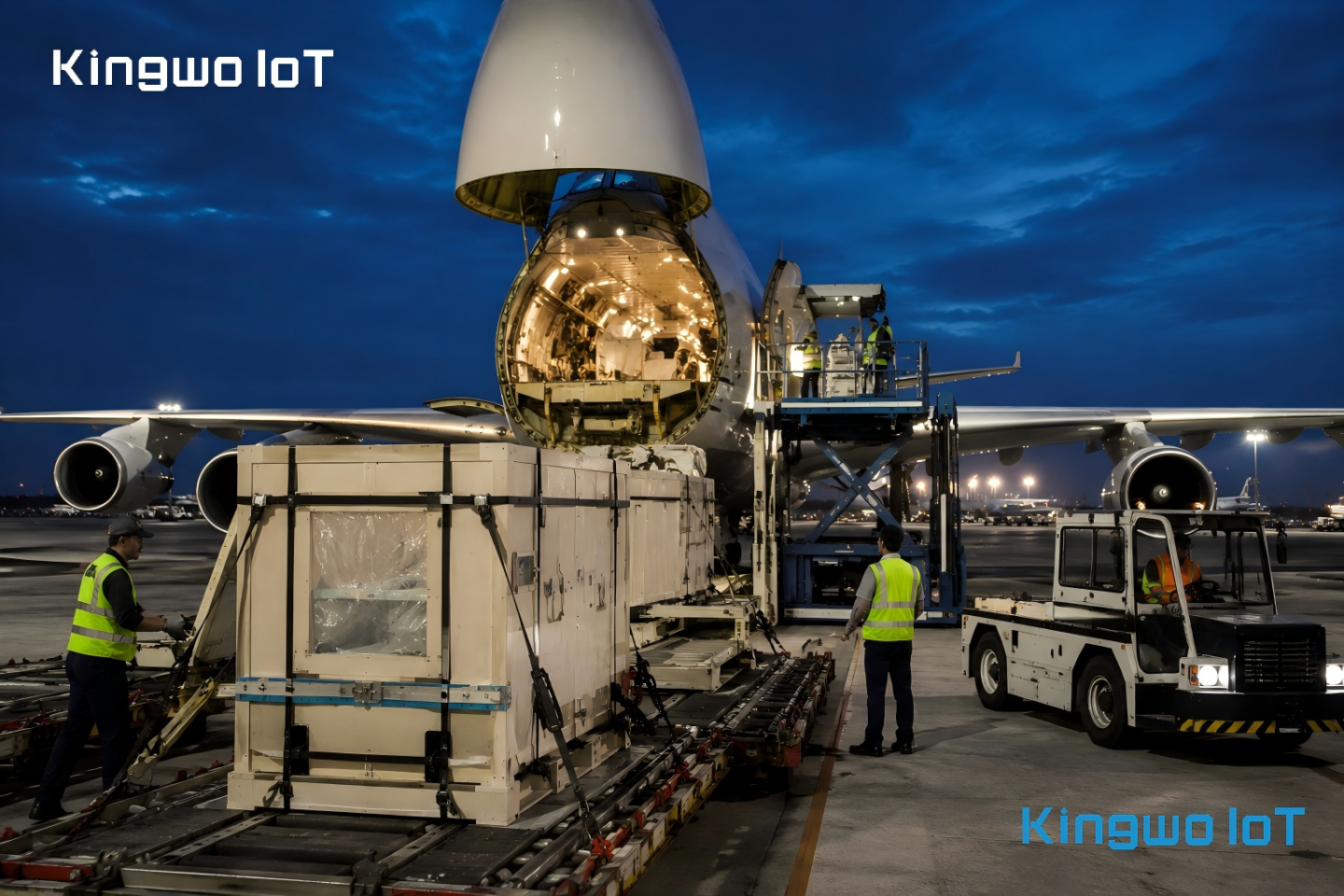

Modern healthcare depends on the reliable delivery of highly sophisticated medical equipment. From MRI scanners and CT systems to robotic surgical platforms and laboratory analyzers, today's medical devices represent not only significant financial investments but also critical healthcare infrastructure.
Unlike ordinary cargo, these assets often travel thousands of kilometres before reaching hospitals, diagnostic centers, research laboratories, or healthcare distributors. Their transportation involves multiple logistics partners, customs checkpoints, warehouses, and regional distribution centers, creating numerous opportunities for delays, mishandling, or theft.
Recent reports from the healthcare logistics industry indicate that high-value medical equipment is becoming increasingly vulnerable as global supply chains grow more complex. Longer transportation routes, increasing cargo theft, and rising operational costs are driving healthcare organizations to rethink how they monitor valuable assets throughout transit.
For logistics providers, manufacturers, and healthcare institutions alike, transportation visibility has become more than a convenience—it has become a critical operational requirement.
Medical equipment differs significantly from conventional freight. A single shipment may contain technology worth hundreds of thousands—or even millions—of dollars.
Examples include:
Many of these systems contain highly sensitive electronics, precision optical components, and calibrated mechanical assemblies. Even minor mishandling during transportation can result in costly repairs, delivery delays, or regulatory inspections.
Unlike consumer electronics, replacement is rarely immediate. Manufacturing lead times can stretch for months, and installation schedules are often coordinated around hospital construction projects or planned equipment upgrades. Every unexpected delay directly impacts healthcare providers and, ultimately, patient care.
The global medical device industry has evolved into an interconnected manufacturing ecosystem. Components are often sourced from multiple countries before final assembly, and finished equipment may cross international borders several times before reaching its destination.
A typical transportation journey may include:
Each transfer introduces additional operational risk. Traditional barcode scanning or manual inventory updates only provide periodic snapshots of an asset's location, leaving long periods where equipment remains effectively invisible.
Without continuous visibility, logistics managers may struggle to identify unexpected route deviations, unauthorized movement, or prolonged dwell times until significant delays have already occurred.
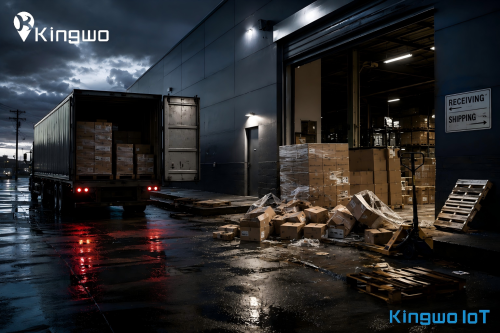
Cargo theft is no longer limited to consumer electronics or luxury goods. Organized criminal groups are increasingly targeting shipments with exceptionally high resale value, including medical equipment and laboratory instruments.
Healthcare equipment is particularly attractive because:
The financial impact extends well beyond replacement costs. Delayed equipment installations can postpone hospital expansion projects, disrupt laboratory operations, delay diagnostic services, and create significant contractual penalties across the supply chain.
For manufacturers and logistics providers, preventing loss is no longer simply a matter of insurance—it has become essential to maintaining operational continuity.
Healthcare logistics increasingly demand continuous asset awareness rather than periodic tracking updates.
Modern IoT asset tracking solutions enable organizations to monitor equipment throughout transportation, storage, and final delivery. Instead of relying solely on scheduled scans, logistics teams gain real-time insight into the exact location and status of valuable assets.
Continuous visibility allows operators to quickly identify abnormal movement, unexpected route changes, unauthorized transportation, or extended idle periods before they develop into larger operational issues.
For cross-border shipments involving multiple logistics partners, centralized monitoring significantly improves coordination while reducing communication delays between stakeholders.
Digital transformation within healthcare logistics is shifting from reactive management toward predictive asset visibility.
Rather than investigating incidents after equipment disappears or deliveries are delayed, organizations increasingly seek technologies capable of identifying potential risks as they occur.
An intelligent transportation strategy combines location intelligence with automated monitoring, enabling logistics managers to make faster decisions while improving asset utilization across increasingly complex global supply chains.
As healthcare infrastructure continues expanding worldwide, real-time visibility is becoming a competitive advantage rather than an optional feature.
Kingwo IoT provides intelligent asset tracking solutions designed for valuable equipment operating across complex logistics networks.
By combining multi-mode positioning technologies with a centralized IoT platform, organizations can maintain continuous visibility throughout the transportation lifecycle while improving operational efficiency and reducing security risks.
Key capabilities include:
These capabilities help manufacturers, healthcare distributors, logistics providers, and medical institutions maintain greater control over valuable equipment while supporting more resilient healthcare supply chains.
As medical technology becomes increasingly advanced and globally distributed, the need for intelligent transportation management will continue to grow.
Hospitals expect faster deployments. Manufacturers require greater operational transparency. Logistics providers must deliver higher service reliability while protecting valuable shipments across international supply chains.
Real-time asset visibility is no longer simply about knowing where equipment is located—it is about ensuring that critical medical technology arrives safely, efficiently, and ready to support patient care.
Organizations that invest in intelligent IoT asset tracking today will be better positioned to build secure, efficient, and future-ready healthcare logistics networks.
High-value medical equipment represents some of the most important assets moving through today's global supply chains. As transportation routes become longer and logistics networks more complex, traditional tracking methods are no longer sufficient.
By adopting IoT-enabled asset tracking solutions, organizations can achieve:
With intelligent tracking technologies, healthcare logistics can evolve from reactive asset management to proactive operational visibility—ensuring that critical medical equipment reaches the right destination, at the right time, and in the right condition.
 news
news
 news
news
 news
news
 news
news
 news
news
 news
news
 news
news
 news
news
 news
news

English

French

Portuguese

Spanish