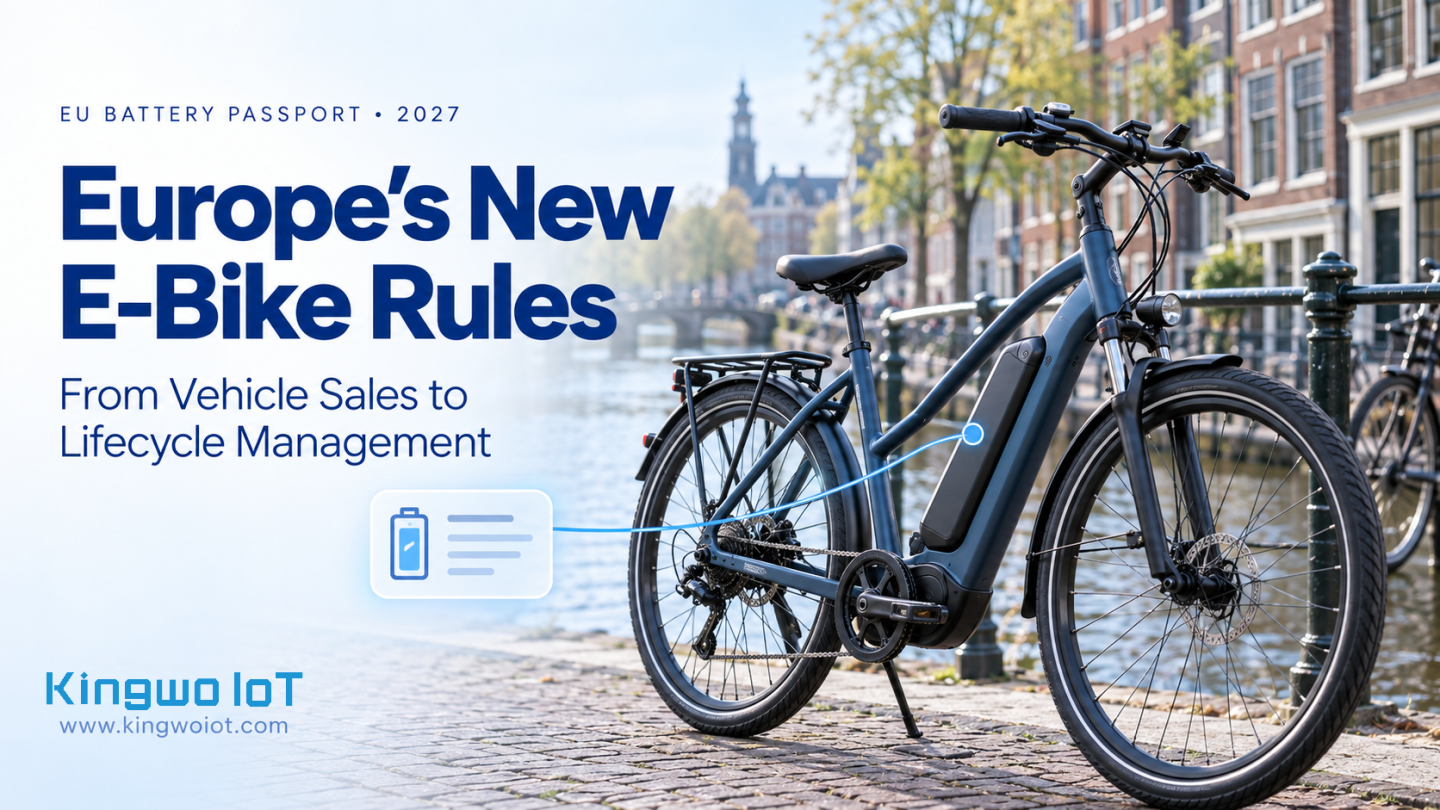

Europe’s electric bicycle industry is preparing for a regulatory change that extends beyond vehicle performance and initial product delivery. Under the EU Batteries Regulation, battery passports will become mandatory from 18 February 2027 for relevant battery categories, including light means of transport batteries used in e-bikes, e-mopeds and e-scooters. The requirement puts battery identification, performance information, and lifecycle transparency in sharper focus. single-market-economy.ec.europa.eu
Recent implementation guidance makes this an immediate business issue. A battery passport FAQ published on the European Commission’s website in September 2026 explains practical questions about responsibility, registration, and information updates. It also confirms that the Digital Product Passport Registry’s helpdesk has operated since the registry launched on 20 July 2026, with a testing environment available for businesses preparing their systems. single-market-economy.ec.europa.eu
For e-bike brands, battery suppliers and fleet operators serving Europe, preparation now involves more than collecting documents before shipment. Businesses need to establish who supplies the information, how records remain connected to individual batteries, and how service activities contribute to accurate product histories.
The battery passport connects a physical battery to a digital information record through a QR code. Depending on the applicable requirements, this record may include identification, technical characteristics, manufacturer information, performance and durability data, and information supporting repair, reuse and recycling. Its purpose is to make relevant information more accessible throughout the battery’s lifecycle. single-market-economy.ec.europa.eu
The operational implications are particularly relevant to rental, subscription and delivery fleets. A bicycle may pass through several users, undergo repeated maintenance and receive replacement batteries during its working life. Batteries may also move between compatible vehicles.
Without a clear relationship between vehicle identity, battery identity and service history, records can become disconnected from the physical asset. An operator may know when a bicycle was purchased but struggle to establish which battery is currently installed or which repairs that battery has received.
From an industry perspective, the coming requirements create a stronger reason to organize these relationships. Vehicle records describe the operating asset, battery records identify the component, and service records explain what has happened during use. Connecting them can improve both regulatory preparation and everyday asset management.
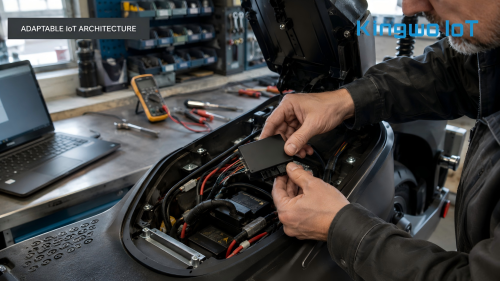
The EU Batteries Regulation also addresses removability and replaceability. Its provisions for light means of transport batteries require the batteries, and individual cells within their battery packs, to be readily removable and replaceable by an independent professional during the product’s lifetime. The relevant Article 11 requirements apply from 18 February 2027. eur-lex.europa.eu
For manufacturers, this raises practical design questions. How can a technician access the battery? How are components secured? What information is needed to complete a safe replacement? How will compatibility be established after servicing?
These considerations can influence enclosure design, maintenance documentation and after-sales arrangements. They also have commercial consequences. Delivery operators need vehicles returned to service promptly, rental businesses need assets that remain usable, and dealers need workable repair procedures.
A product with a clear maintenance pathway can make these decisions easier. When service records are also available, businesses are better placed to assess whether a battery should remain in operation, receive further attention or be replaced.
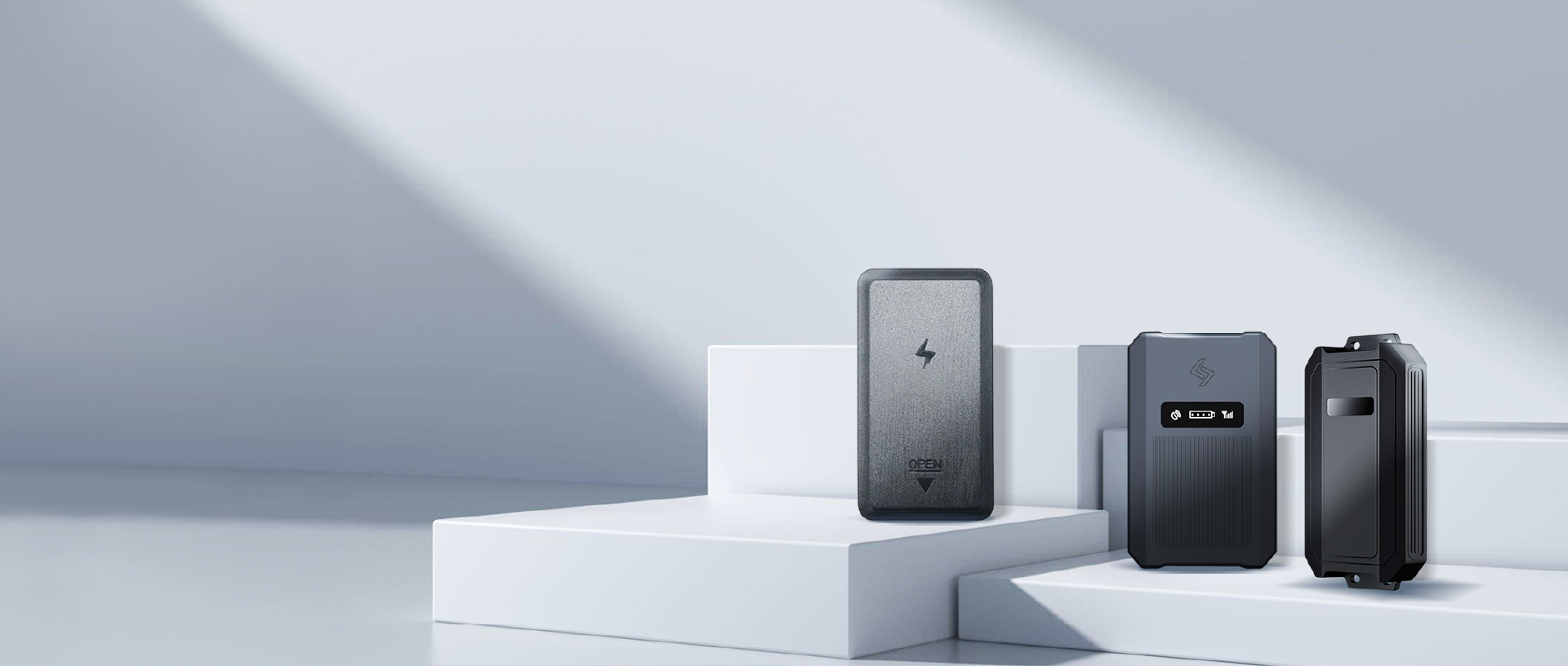
These developments give connected technology a practical role in e-bike operations. Location devices can help businesses monitor vehicle whereabouts and movement. Where compatible interfaces, authorized data access and suitable integration are available, connected devices can also help transmit information supplied by vehicle or battery systems.
Consider a long-term rental fleet. Its management platform could associate a vehicle identifier with a tracking device identifier and a battery identifier. When the bicycle enters a workshop, technicians record the service outcome. If its battery is replaced, the association is updated.
This creates a more useful operational record: managers can see where the vehicle is, which battery it carries and what maintenance has occurred. Such information can support scheduling, asset allocation and investigation of operational problems.
However, the battery passport requirement does not mean that every e-bike must carry a GPS tracker or maintain a real-time connection. The FAQ published on the Commission’s website explains that real-time or very frequent communication is not necessarily required. It also indicates that updating an offline e-bike battery’s information when it is brought in for servicing can be appropriate. single-market-economy.ec.europa.eu
The value of IoT therefore depends on the business model. Large fleets operating across multiple locations may benefit from more timely information and fewer manual checks. Smaller businesses may begin with reliable identification and consistent service records. Connectivity should support a defined operating need.
The phrase “Europe’s new e-bike rules” covers several different regulatory questions. Battery requirements concern the battery and its lifecycle. Product safety requirements concern vehicle design and technical safety. Road-use rules concern how particular vehicles may operate in individual markets.
In a 2026 response to the European Parliament, the European Commission acknowledged that relevant e-bikes are covered by harmonized product safety provisions, while road-use requirements remain fragmented across Member States. It also described further work to assess the potential benefits of harmonizing technical specifications and to prepare safety guidance. www.europarl.europa.eu
For exporters, this means that preparation should reflect the destination country and the specific vehicle category. Battery information, vehicle safety and local road-use eligibility need to be considered together, with each assessed against its applicable requirements.
The broader industry implication is a greater emphasis on what happens after delivery. Maintenance, battery replacement, repeated rental and eventual recovery all depend on information that remains connected to the product.
For Kingwo IoT, this presents a relevant direction for collaboration with e-bike brands, rental platforms and fleet operators. Vehicle positioning, asset identification and appropriately integrated data connections can help customers maintain more continuous operational records. The available functions depend on the selected device, vehicle interface and platform integration.
As the February 2027 deadline approaches, businesses have a practical opportunity to review their products and service processes together. Those that connect design, maintenance and information management will be better positioned to prepare for the new requirements—and to demonstrate the value of their e-bikes throughout their working lives.
European Commission. Digital Product Passport for Batteries (Battery Passport). Overview of battery passport requirements, affected battery categories and implementation timelines.
https://single-market-economy.ec.europa.eu/single-market/digital-product-passport/batteries_en
European Commission website. EU Digital Product Passport FAQ for Batteries. First edition, manuscript completed September 2026. Guidance on registration, responsibility, data updates and batteries without connectivity.
https://single-market-economy.ec.europa.eu/single-market/digital-product-passport/eu-digital-product-passport-faq-batteries_en
European Parliament and Council of the European Union. Regulation (EU) 2023/1542 concerning batteries and waste batteries. See Article 11 on removability and replaceability, and Articles 77–78 on battery passports.
https://eur-lex.europa.eu/eli/reg/2023/1542/oj
European Commission. Answer to Parliamentary Question E-000678/2026. Discussion of product safety requirements and the potential harmonization of road-use technical specifications for personal mobility devices.
https://www.europarl.europa.eu/doceo/document/E-10-2026-000678-ASW_EN.html
By Kailiang Tang
Acting Marketing Director, Kingwo IoT
 news
news
 news
news
 news
news
 news
news
 news
news
 news
news
 news
news
 news
news

English

French

Portuguese

Spanish