
The European heavy equipment market is entering a different phase.
After years of expansion driven by infrastructure investment and construction demand, growth is no longer the primary narrative. Instead, a more nuanced shift is taking place—one that places operational efficiency at the center of decision-making.
In markets such as Germany, France, and across Northern Europe, companies are becoming more cautious with capital expenditure. Equipment procurement cycles are extending, while rental and shared-use models continue to expand.
This transition reflects a broader change in priorities:
Not how many machines a company owns,
But how effectively those machines are used.
Utilization rates, idle time, and cross-project allocation are now becoming key performance indicators across the industry.
The shift from ownership to coordination marks a fundamental change in how fleet performance is measured and optimized. In a distributed environment, the goal is no longer simply to keep assets running, but to keep them running in the right place, at the right time, for the right purpose.
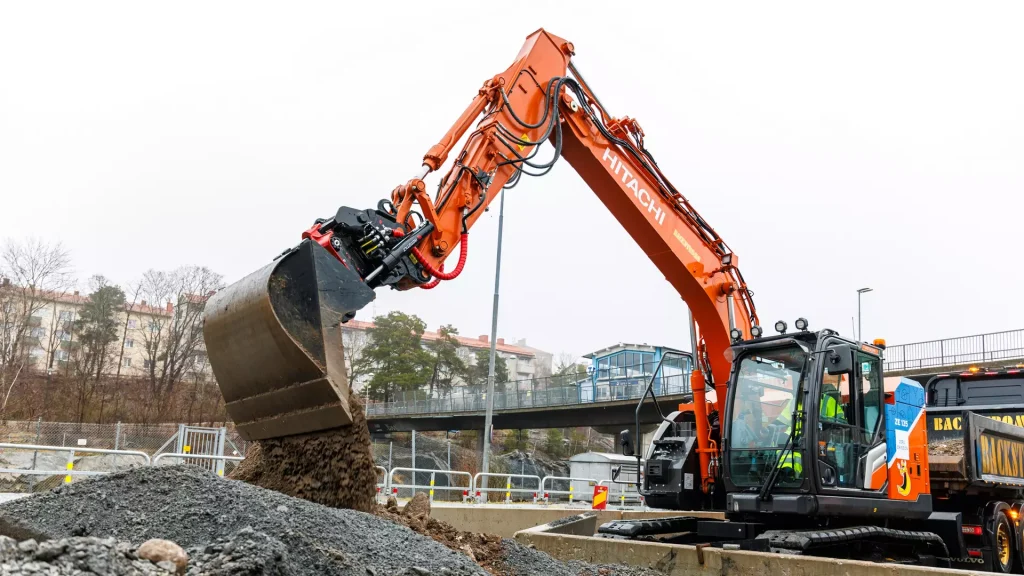
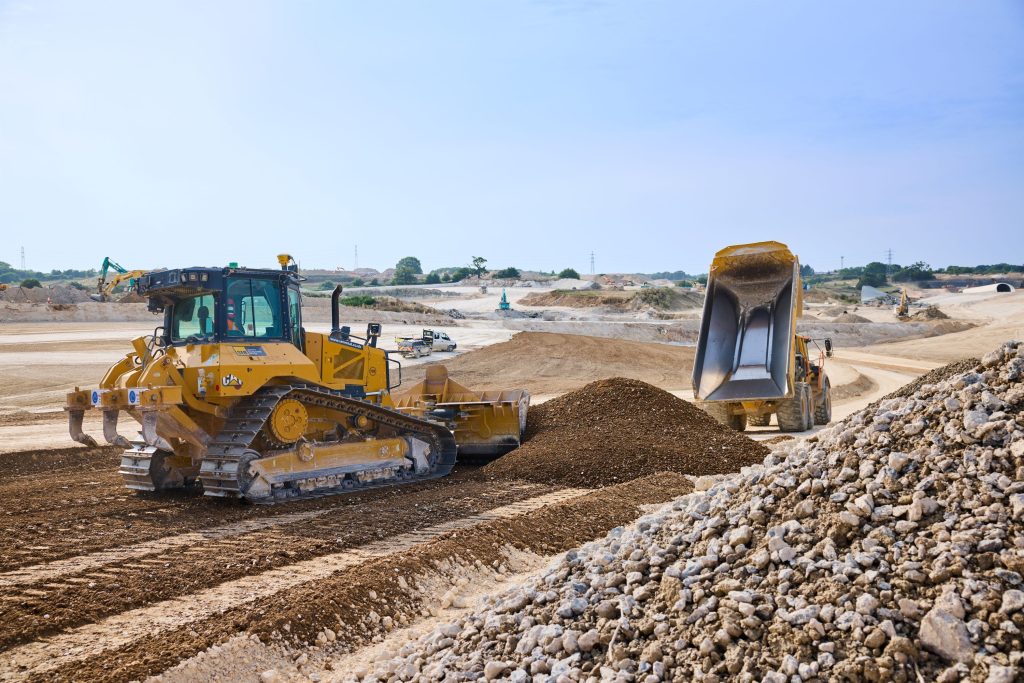
To achieve this, organizations are moving beyond traditional metrics like utilization rate and cost per hour. Instead, they are adopting a coordination-centric framework built on three core capabilities:
Without knowing where an asset is and what it is doing at any given moment, coordination is impossible. Telematics, IoT sensors, and connected platforms provide continuous streams of location, usage, and health data. But visibility alone is not enough—the data must be integrated into a single source of truth that all stakeholders, from site managers to logistics planners, can access.
Coordination becomes proactive rather than reactive when fleets are managed using demand forecasting. By analyzing project schedules, travel times, and historical utilization patterns, algorithms can recommend when to move an asset from a site where it will soon become idle to another where it is urgently needed. This reduces both idle days and emergency rentals.
In a static model, assets return to a home yard between jobs. In a distributed model, they are redeployed directly from one site to the next. This requires flexible logistics, standardized inspection protocols for transfers, and digital work orders that travel with the asset. When redeployment works seamlessly, utilization can increase by 20–30% without adding new equipment to the fleet.
However, coordination also introduces new risks. Assets moving across borders face differing regulatory requirements, maintenance standards, and fuel types. Ownership may remain with a central entity, but accountability for uptime becomes shared across regions. Successful operators address this by establishing clear service-level agreements between fleet managers, site teams, and third-party logistics providers.
Ultimately, the organizations that master coordination will treat their fleets less like collections of individual machines and more like a shared resource pool—continuously rebalanced to match shifting demand. In this model, efficiency is not a periodic review. It is a real-time discipline.
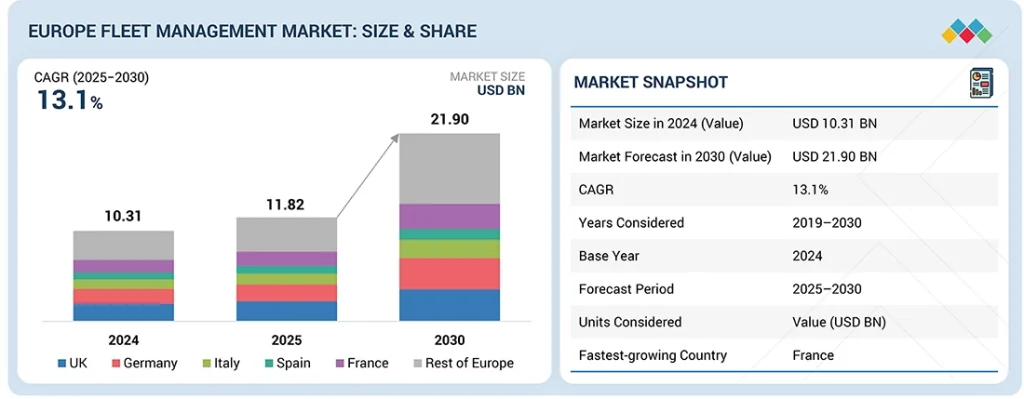
Alongside this operational shift, expectations around digital capabilities are rising.
Location tracking alone is no longer sufficient.
The demand for broader asset visibility—covering real-time status, usage patterns, unauthorized activity, and maintenance trends—marks a strategic shift from simple tracking to integrated intelligence.
Organizations are no longer satisfied knowing where an asset is; they now need to know if it is being used efficiently, operating as expected, and whether potential issues can be identified earlier.
This transition reframes data not as a supporting record, but as a core component of operational strategy.
To answer whether an asset is being used efficiently, data must compare actual runtime against available hours, measure cycle times against site targets, and benchmark performance across locations.
Determining whether an asset is operating as expected requires performance envelopes, duty-cycle matching, and behaviour analytics to flag deviations from normal patterns.
For early issue identification, predictive models use sensor trends—vibration, temperature, pressure—to forecast remaining useful life, while anomaly detection catches subtle shifts that precede failures by days or weeks.
These three questions cannot be answered in isolation. An asset may be operating as expected but severely underutilized; another may show early warning signs while still meeting production targets. Integrated visibility layers this information into role-specific dashboards—for fleet managers, maintenance leads, and site supervisors—and closes the loop with automated alerts and redeployment recommendations.
Ultimately, when data becomes a strategic core rather than a supporting element, organizations stop reacting to breakdowns and idle time. They begin predicting demand, rebalancing fleets in real time, and extending component life through condition-based maintenance.
The question is no longer :
"Where is it?"
but
"What is it telling us about what comes next?"
Ultimately, what we are witnessing is not a temporary adjustment but a structural transformation.
The industry is moving away from asset-heavy growth models toward efficiency-driven systems supported by data and connectivity.
For companies operating across multiple sites and regions, the ability to maintain clear, real-time visibility of their equipment is becoming a foundational requirement.
As operational complexity increases, so does the need for tools that can reduce uncertainty, improve coordination, and support better decisions at scale.
Solutions that combine positioning, connectivity, and data platforms are beginning to play a more central role in enabling this transition.
MarketsandMarkets – Europe Fleet Management Systems Market Report (2024–2026)
https://www.marketsandmarkets.com/Market-Reports/europe-fleet-management-systems-market-94749357.html
Construction Equipment Association – UK Heavy Equipment Rental Trends for 2026
https://thecea.org.uk/industry-news/uk-heavy-equipment-rental-trends-what-contractors-need-to-know-for-2026
Webfleet – Fleet Trends 2025 / Fleet Digitisation Report
 news
news
 news
news
 news
news
 news
news
 news
news
 news
news
 news
news
 news
news
 news
news

English

French

Portuguese

Spanish