

The digital transformation of the logistics industry continues to accelerate, and rail transportation is rapidly becoming part of this evolution.
Recently, the European rail logistics operator Transfesa Logistics announced the completion of GPS development across its entire rail car-carrier fleet. The initiative enables real-time tracking of rail assets transporting finished vehicles, providing logistics operators with greater visibility, improved operational efficiency, and enhanced supply chain reliability.
The deployment reflects a broader trend across the global logistics industry: transportation assets are becoming increasingly connected through the Internet of Things(IoT)technologies. While real-time tracking has long been common for commercial trucks, the same level of visibility is now expanding to rail wagons, intermodal equipment, trailers, and other high-value logistics assets.
Rail freight plays a critical role in international supply chains, transporting vehicles, industrial equipment, raw materials, and consumer goods across long distances. However, traditional rail operations have often relied on scheduled updates, manual reporting, or checkpoint-based monitoring, leaving operators with limited visibility between major transit points.
By integrating GPS tracking into rail assets, logistics providers gain continuous location data throughout the transportation journey. This enables more accurate shipment monitoring, faster response to operational disruptions, and better coordination across multiple transportation modes.
For fleet operators, real-time tracking delivers several operational advantages:
As supply chains become more complex and customer expectations continue to rise, continuous asset visibility is quickly becoming a competitive advantage rather than an optional feature.
The logistics industry is moving toward a fully connected ecosystem where every valuable asset can be monitored throughout its lifecycle.
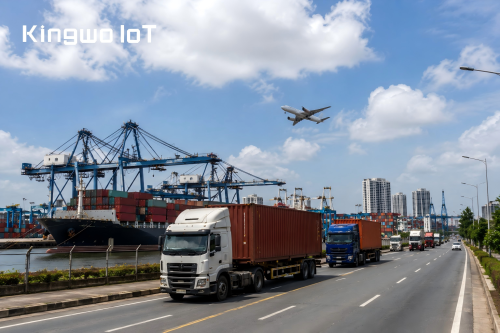
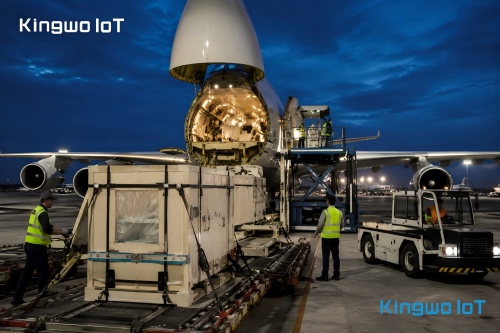
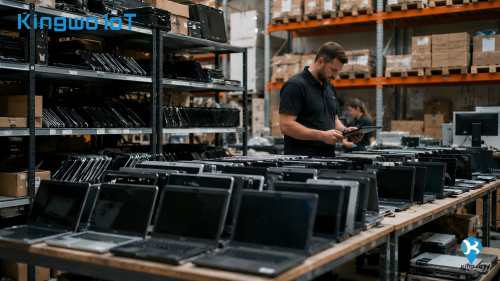
Today, GPS and IoT technologies are being deployed across a wide range of transportation assets, including:
This shift enables logistics companies to manage multiple asset types from a centralized platform while improving operational efficiency and reducing unnecessary costs.
Digitalization is reshaping supply chain operations worldwide. Real-time location data, intelligent alerts, historical route analysis, and cloud-based fleet management platforms enable businesses to make faster, more informed decisions.
Beyond simple location tracking, modern IoT solutions can help organizations detect abnormal asset movement, monitor utilization rates, establish geofenced operating areas, and generate actionable operational insights.
As transportation networks become increasingly interconnected, businesses are investing in technologies that improve visibility across every stage of the logistics process—from warehouses and rail terminals to ports and final delivery destinations.
The latest developments in European rail logistics highlight an important industry trend: comprehensive asset visibility is becoming essential across all modes of transportation.
At Kingwo IoT, we believe that effective fleet and asset management extends far beyond vehicle tracking. Modern logistics operations require reliable, real-time visibility across trucks, trailers, containers, rail assets, construction equipment, and other high-value mobile assets.
By combining advanced GPS positioning, cloud-based IoT platforms, intelligent alerts, and flexible integration capabilities, organizations can strengthen operational efficiency, improve cargo security, reduce asset loss, and make data-driven decisions throughout the supply chain.
As global logistics continues its digital transformation, connected asset management will play an increasingly important role in building resilient, transparent, and efficient transportation networks.
Reference
Transfesa Logistics. Transfesa Adds GPS Tracking to Entire Rail Car Carrier Fleet. July 2026.
https://www.thetraveler.org/transfesa-adds-gps-tracking-to-entire-rail-car-carrier-fleet/
By Kailiang Tang
Acting Marketing Director, Kingwo IoT
 news
news
 news
news
 news
news
 news
news
 news
news
 news
news
 news
news
 news
news
 news
news

English

French

Portuguese

Spanish