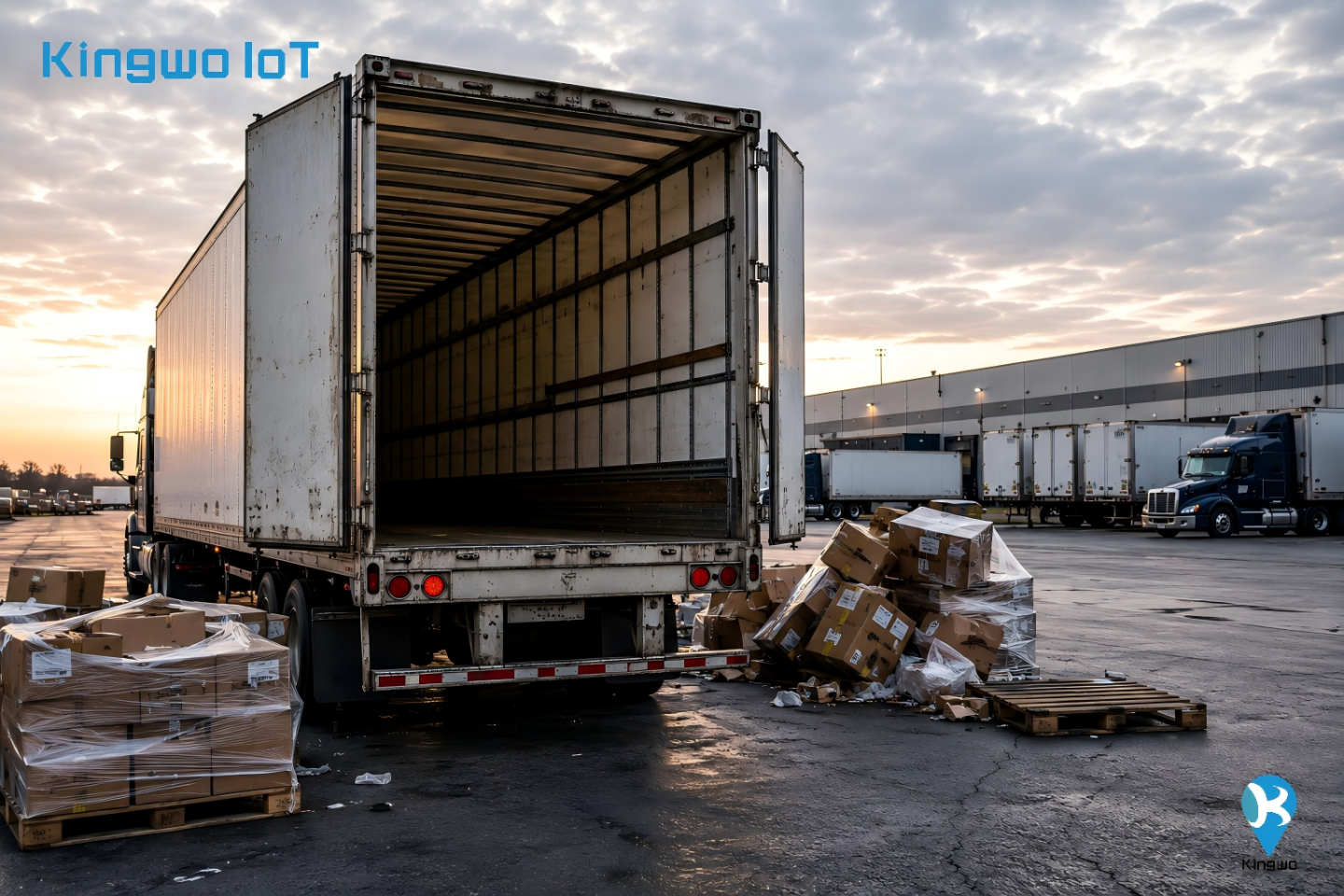

LOS ANGELES – A major cargo theft investigation in Southern California has once again highlighted the growing risks facing modern supply chains. According to the Los Angeles County Sheriff's Department (LASD), authorities recently recovered approximately $7 million worth of stolen goods. They seized an additional $1 million in cash following a two-month operation targeting organized cargo theft networks.
Between December 2025 and February 2026, investigators executed 13 search warrants across Los Angeles, Riverside, and San Bernardino counties. The operation resulted in the arrest of nine suspects on charges including grand theft cargo, money laundering, and receiving stolen property.
Recovered items included televisions, power tools, golf carts, all-terrain vehicles, footwear, toys, and air-conditioning equipment. Authorities reported that the stolen goods originated from approximately 36 companies, including major retailers and consumer brands operating throughout the region.
While law enforcement described the operation as a significant success, the case also highlights a larger issue affecting logistics providers, manufacturers, retailers, and transportation companies worldwide: cargo theft is becoming increasingly organized, sophisticated, and costly.
Historically, cargo theft often involved opportunistic criminals targeting unattended trucks or warehouse facilities. Today's criminal networks operate differently.
Organized groups increasingly target high-value shipments moving through complex transportation networks. They often possess detailed knowledge of shipping routes, warehouse operations, delivery schedules, and cargo contents. In some cases, criminal organizations use fraudulent carrier identities, forged documentation, or insider information to gain access to valuable freight.
As supply chains become more interconnected, stolen goods can quickly be redistributed through secondary markets, making recovery significantly more difficult.
Consumer electronics, tools, industrial equipment, automotive components, and retail merchandise continue to rank among the most frequently targeted categories. These products typically offer high resale value while remaining relatively easy to transport and conceal.
The Southern California case demonstrates that cargo theft is no longer an isolated logistics issue. It has become a sophisticated criminal enterprise capable of impacting multiple businesses simultaneously.
For many businesses, the value of stolen goods represents only a portion of the total loss.
When cargo disappears during transit, supply chain disruptions often trigger a series of secondary consequences. Deliveries may be delayed, customer commitments may be missed, and production schedules can be affected.
Manufacturers relying on just-in-time inventory models may experience operational interruptions when critical components fail to arrive on schedule. Retailers can face inventory shortages during peak demand periods, while logistics providers may incur additional transportation costs to replace missing shipments.
Insurance claims, legal investigations, administrative expenses, and increased security measures can further increase the financial burden.
Perhaps most importantly, repeated theft incidents can damage customer confidence. In competitive industries where reliability is a key differentiator, visibility and accountability throughout the transportation process have become increasingly important.
For many organizations, the question is no longer whether cargo theft can occur, but how quickly they can detect unusual activity and respond effectively.
As cargo theft continues to evolve, businesses are shifting their focus from recovery to prevention.
Traditional security measures such as physical locks, seals, fences, and surveillance cameras remain valuable. However, these tools often provide limited visibility once assets leave a facility and enter the transportation network.
This is where real-time asset tracking technologies are becoming increasingly important.
By combining GPS positioning, cellular communication, geofencing, and cloud-based monitoring platforms, organizations can maintain continuous awareness of asset locations throughout the supply chain.
Real-time visibility enables businesses to:
Rather than discovering a problem hours or days later, logistics managers can identify potential issues as they develop.
For high-value assets, containers, trailers, equipment, and mobile inventory, real-time visibility has become an increasingly important layer of operational risk management.
The logistics industry is experiencing rapid transformation. E-commerce growth, global sourcing strategies, and increasingly complex transportation networks have created new efficiencies, but they have also introduced new vulnerabilities.
At the same time, customers expect greater transparency than ever before. Businesses are increasingly asked not only where a shipment is, but also when it will arrive and whether it remains secure throughout transit.
This shift is driving broader adoption of asset tracking technologies across multiple industries, including:
Visibility is no longer viewed solely as a security feature. It is increasingly becoming a core operational capability that supports efficiency, accountability, and customer satisfaction.
Organizations that can monitor and manage assets in real time are often better positioned to reduce losses, improve operational performance, and respond quickly when unexpected events occur.
The recent Southern California cargo theft case serves as a reminder that supply chain security is entering a new era.
As cargo values increase and transportation networks become more complex, businesses need more than traditional theft recovery strategies. The ability to monitor assets continuously, identify risks early, and respond quickly is becoming essential for modern logistics operations.
At Kingwo, we believe asset tracking is about much more than locating stolen goods after an incident occurs. Real-time visibility helps businesses improve operational control, strengthen asset protection, and build more resilient supply chains.
As the logistics industry continues to evolve, organizations that invest in visibility and proactive asset management will be better equipped to navigate both operational challenges and emerging security risks.
By Kailiang Tang
Acting Marketing Director, Kingwo IoT
 news
news
 news
news
 news
news
 news
news
 news
news
 news
news
 news
news
 news
news

English

French

Portuguese

Spanish