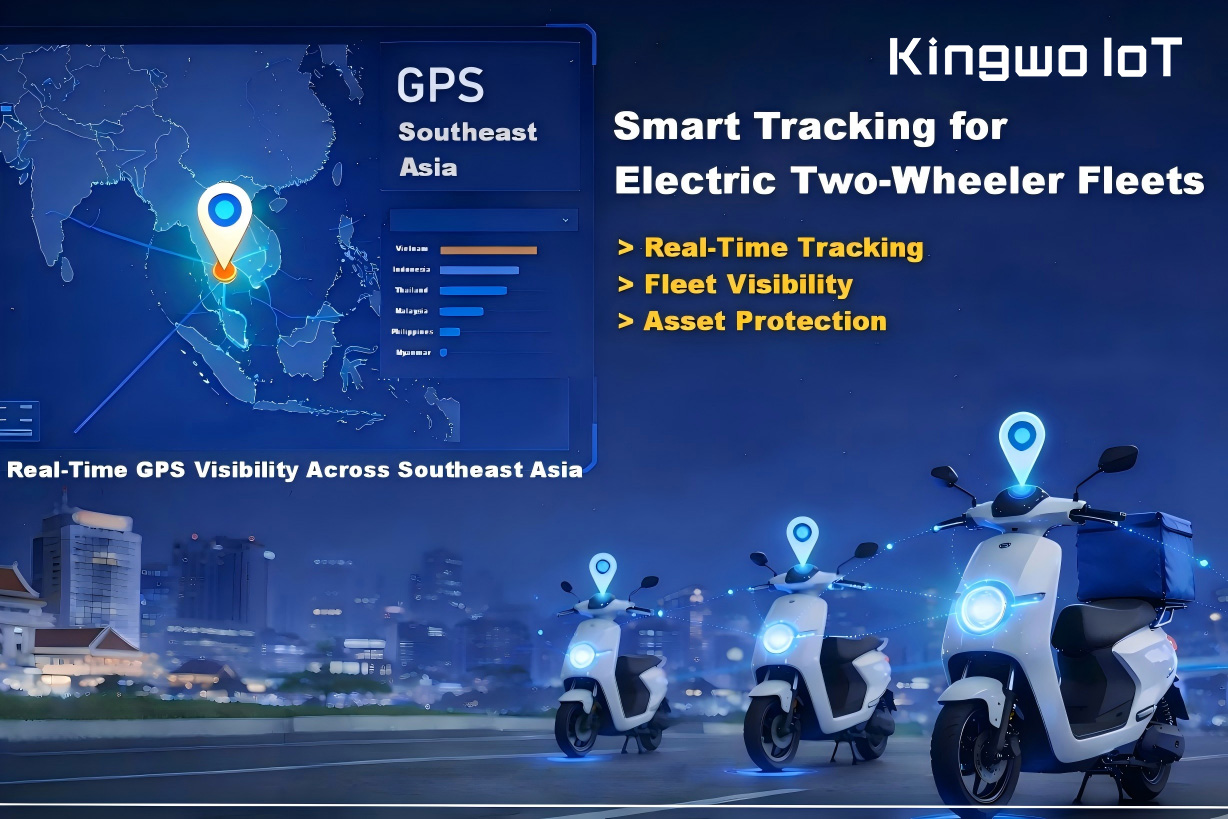

Southeast Asia is quickly becoming one of the most dynamic markets for two-wheeled vehicles, especially electric motorcycles and scooters. As urban populations grow and the need for affordable transportation increases, the region’s motorcycle market continues to expand rapidly.
According to industry data, Vietnam alone sold more than 3.4 million motorcycles in 2025, making it one of the largest motorcycle markets in the world, and it is also one of the fastest-growing electric two-wheeler markets in Southeast Asia.
At the same time, governments across the region are accelerating the transition toward electric mobility. Many countries have introduced policies encouraging the adoption of electric motorcycles, including tax incentives, emissions restrictions, and long-term electrification targets.
For example, Vietnam’s national transportation plans aim to significantly increase the share of electric motorcycles by 2030. Cities such as Hanoi are also preparing policies to gradually limit internal combustion engine vehicles in urban areas.
The rapid growth of electric motorcycles and scooters is driving strong demand for vehicle tracking devices and fleet monitoring solutions across the region.
Several key factors are contributing to this trend.
As motorcycle sales increase, managing large vehicle fleets becomes more complex.
Rental companies, delivery platforms, and shared mobility providers often operate hundreds or even thousands of vehicles. In these environments, real-time location tracking and vehicle monitoring are essential for maintaining operational efficiency and asset security.
Motorcycle financing and leasing are widely used across Southeast Asia. In markets such as Thailand and Indonesia, a large percentage of motorcycles are purchased through installment plans or leasing arrangements.
For financial institutions and leasing companies, tracking devices help monitor collateral assets, reduce risk, and maintain visibility of financed vehicles.
Ride-hailing and on-demand delivery services continue to expand rapidly across the region.
Platforms operating large fleets require accurate and real-time location data to support dispatching, route optimization, and fleet management. As fleets grow, digital tracking systems become essential infrastructure.
Motorcycle theft remains a common issue in many urban areas.
Fleet operators and rental companies need reliable ways to monitor and protect their vehicles. GPS tracking devices allow operators to detect abnormal movement, track vehicle locations, and respond quickly to security risks.
To address these challenges, many fleet operators are adopting IoT-based vehicle tracking systems that combine GPS positioning, wireless communication, and cloud platforms.
Modern motorcycle GPS trackers can provide:
These technologies help businesses improve asset visibility, reduce operational risks, and manage fleets more efficiently.
Kingwo provides a range of IoT tracking devices designed for motorcycles, electric scooters, and other mobile assets.
These devices support GPS and BeiDou positioning, 4G connectivity, and remote OTA upgrades, enabling operators to monitor vehicle locations and operational status in real time.
Combined with cloud-based management platforms, Kingwo solutions allow fleet operators, rental companies, and financial institutions to manage vehicles more efficiently.
As Southeast Asia continues to adopt electric mobility and shared transportation models, demand for vehicle tracking and asset monitoring solutions will continue to grow.
For fleet operators, financial institutions, and mobility platforms, GPS tracking devices are no longer optional—they are becoming essential infrastructure.
With the rapid expansion of the region’s two-wheeler market, IoT tracking technology will play an increasingly important role in supporting the future of mobility across Southeast Asia.
 news
news
 news
news
 news
news
 news
news
 news
news
 news
news
 news
news
 news
news
 news
news

English

French

Portuguese

Spanish